


Min Aung Hlaing’s Thailand Visit Signals Myanmar’s Push Toward ASEAN Return and Diplomatic Recognition
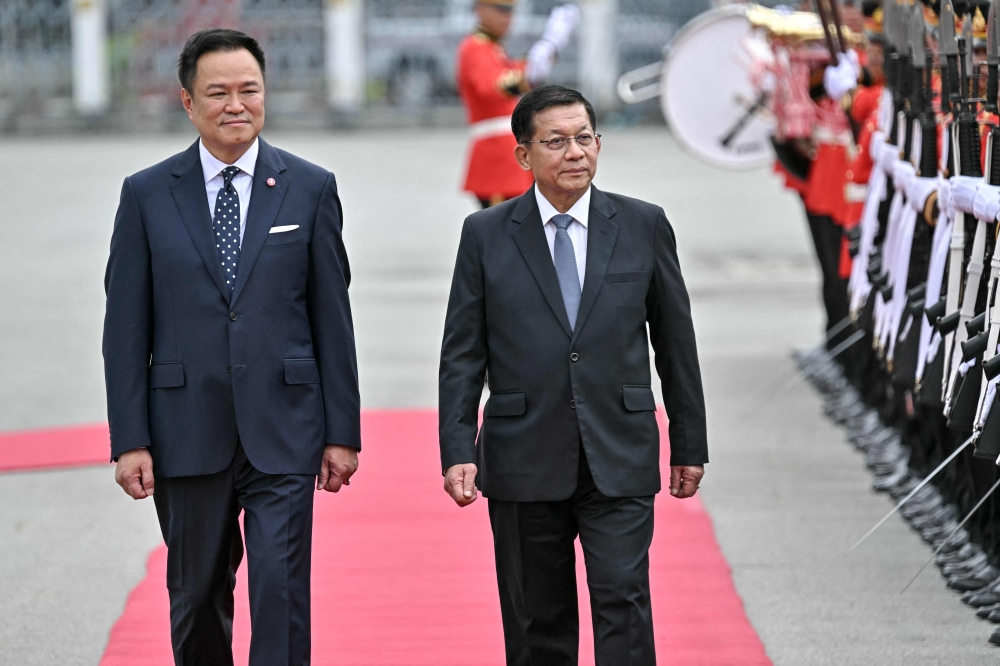
Myanmar’s political journey took another significant turn as former military chief and current leader Min Aung Hlaing arrived in Bangkok for his first official visit to Thailand in his civilian role. The visit comes at a time when Myanmar is attempting to rebuild diplomatic connections after years of political isolation following the 2021 military takeover.
Min Aung Hlaing became the central figure in Myanmar’s crisis after leading the coup that removed the elected government of Aung San Suu Kyi. The takeover triggered a prolonged conflict between the military and various opposition groups, creating one of Southeast Asia’s most serious humanitarian and political challenges.
After being declared president in April following elections criticized by democracy advocates and several international observers, Min Aung Hlaing has increased efforts to strengthen Myanmar’s relationships with neighboring countries. His latest visit to Thailand reflects a broader campaign to regain acceptance within the regional community and reopen diplomatic channels.
Thailand has played a leading role in encouraging engagement with Myanmar, both through direct discussions and within the framework of the Association of Southeast Asian Nations (ASEAN). Since the military takeover, ASEAN has limited Myanmar’s participation in major leadership meetings, but recent informal discussions suggest the region is exploring ways to maintain communication.
During his diplomatic outreach, Min Aung Hlaing has visited several key regional partners, including India, China, and Laos, as Myanmar seeks stronger international connections. His Bangkok visit is viewed by analysts as another step toward rebuilding Myanmar’s position in regional affairs.
The timing of the visit also drew attention after Aung San Suu Kyi, who remains detained, was permitted to meet a representative from the International Committee of the Red Cross. The meeting marked one of the first known interactions she has had with an international representative since her removal from power.
Experts believe a possible return of Myanmar’s leadership to ASEAN platforms could improve communication with the international community, including Western nations that have maintained opposition toward the military administration. However, analysts say Myanmar’s desire to regain ASEAN recognition is also strongly connected to gaining political legitimacy.
Myanmar specialist Morgan Michaels explained that ASEAN involvement could create opportunities for improved relations globally, while independent analyst David Mathieson described Myanmar’s push for ASEAN acceptance as largely a matter of international status and recognition.
A major challenge remains ASEAN’s five-point consensus, which calls for ending violence, encouraging dialogue among all sides, and supporting humanitarian efforts. Critics argue that Myanmar’s leadership has not fully committed to these principles while seeking greater regional acceptance.
During his Thailand visit, Min Aung Hlaing is expected to meet Thai Prime Minister Anutin Charnvirakul, attend business discussions, and participate in official events hosted by the Thai government. The two countries are also expected to discuss cooperation on labour issues.
The visit has received criticism from some groups who argue that welcoming Min Aung Hlaing could weaken international pressure regarding human rights concerns. Several Western nations have imposed sanctions on him, while international legal concerns continue surrounding allegations related to Myanmar’s conflict.
However, Thailand faces practical reasons for maintaining communication with Myanmar. The two countries share a long border affected by ongoing conflict, refugee movements, illegal activities, cyber scam networks, and drug trafficking challenges.
Thai officials have stated that cooperation with Myanmar is necessary to address regional security issues. Thailand’s Foreign Minister Sihasak Phuangketkeow said discussions about combating cybercrime networks and improving stability would remain important topics during Myanmar’s engagement with Thailand.
The visit represents a complicated moment for Southeast Asia. While some see dialogue as necessary for regional peace and stability, others believe meaningful progress requires stronger commitments toward ending violence and protecting human rights.
As Myanmar continues its search for diplomatic acceptance, the region faces the difficult task of balancing engagement, accountability, and the hope for lasting peace.
The coming months will show whether these diplomatic efforts can create real progress or simply reshape Myanmar’s international image without addressing the deeper challenges facing the country.