


Trump warns ceasefire is on “life support” as Iran signals readiness for confrontation
Tensions between the United States and Iran have sharply escalated again after President Donald Trump warned that the fragile ceasefire in the Middle East is now on “life support,” following Iran’s rejection of the latest US-backed proposal.
Iran, meanwhile, has responded with a firm message that its military forces are prepared for any escalation, raising fears that the already fragile calm in the region could collapse completely.
The dispute intensified after Iran submitted a counterproposal to Washington’s latest plan, which Trump dismissed as “totally unacceptable.” His reaction immediately unsettled global markets, pushing oil prices higher and weakening hopes of a quick diplomatic breakthrough—particularly around reopening the strategic Strait of Hormuz for commercial shipping.
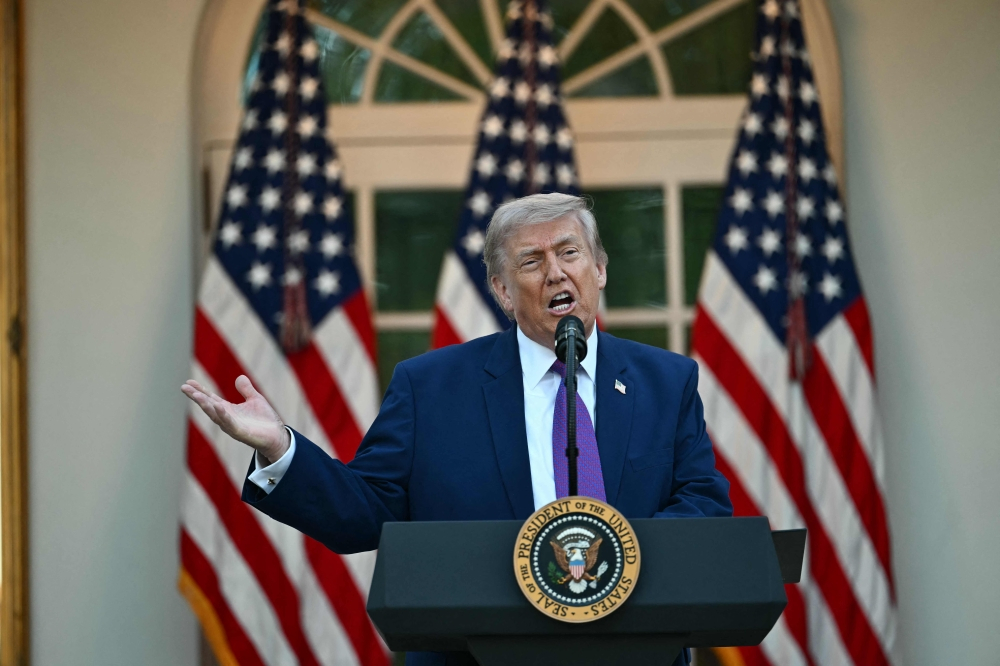
Speaking to reporters, Trump said the situation was nearing collapse, comparing the ceasefire to a critically ill patient with “only a one percent chance of survival.” He also insisted that the United States would ultimately achieve “complete victory” in the standoff.
On the other side, Iranian parliamentary speaker Mohammad Bagher Ghalibaf said Tehran was fully prepared for any outcome. He warned that Iran’s armed forces were ready to respond strongly to any aggression, stressing that poor political decisions would only lead to further consequences.
The growing uncertainty has shaken global energy markets, already under pressure from ongoing disruptions in the Strait of Hormuz—a vital route for global oil and gas shipments. Industry leaders have warned that the impact could last for years if tensions continue.
Saudi Aramco’s CEO, Amin Nasser, described the situation as one of the most severe energy supply shocks in recent history, noting that even reopening the Strait would not immediately stabilize global markets.
Beyond energy concerns, experts are now warning of a potential humanitarian crisis. Fertilizer shortages—closely tied to Gulf shipping routes—could soon trigger widespread food insecurity affecting millions worldwide. UN officials have cautioned that without urgent action, tens of millions could face rising hunger in the coming months.
Iran has also demanded an end to US naval restrictions and the release of frozen Iranian assets abroad, framing its position as a matter of sovereign rights rather than concessions. Tehran maintains that its conditions aim to restore balance, not escalate conflict.
At the same time, Washington continues to tighten economic pressure through new sanctions targeting companies and individuals linked to Iranian oil exports.
With no clear diplomatic path forward, the Strait of Hormuz has become the focal point of global concern. Iran has increased control over maritime movement in the area, while the US has warned that such actions are unacceptable for international trade.
As both sides harden their positions, fears are growing that a small miscalculation could push the region into a broader conflict with global consequences.