


Ceasefire in name only as Israel expands ground operations deeper into southern Lebanon amid ongoing border tensions
Israeli military operations have intensified in southern Lebanon, with the army confirming on Sunday that its ground forces are pushing further into the region as part of what it describes as expanded offensive operations against Hezbollah, an Iran-backed group operating along the border.
The military said that a “significant number” of soldiers have begun coordinated ground movements aimed at extending what it calls a forward defensive line. According to the statement, the operation is widening into additional areas, with Israeli forces reportedly crossing the Litani River, a major geographical marker located roughly 30 kilometres north of the Israel-Lebanon border.
Israeli Prime Minister Benjamin Netanyahu had earlier stated that forces had already crossed the river, highlighting the strategic depth of the ongoing operations.
The escalation comes despite a ceasefire agreement announced to halt hostilities between Israel and Hezbollah, which officially took effect on April 17. However, the truce has remained largely unobserved, with both sides accusing each other of repeated violations and justifying continued strikes as defensive actions.
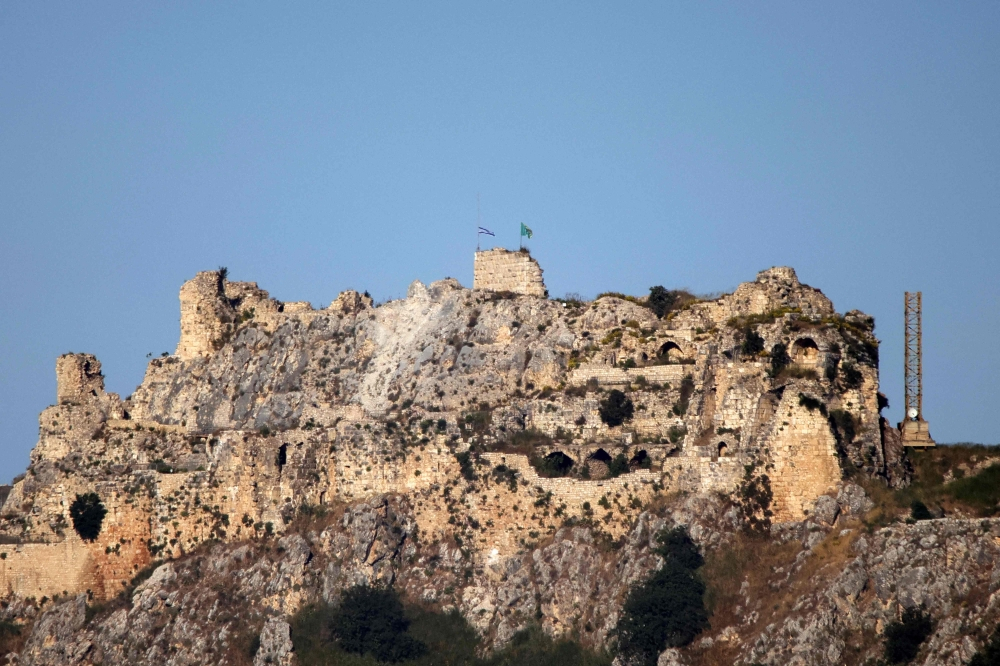
In its latest update, the Israeli military said operations launched a few days earlier targeted areas including Beaufort Ridge and Wadi al-Saluki in southern Lebanon. The stated objective, according to the military, is to remove perceived threats to Israeli border communities in the Galilee Panhandle and the town of Metula, while strengthening operational control in the south.
On the Lebanese side, Prime Minister Nawaf Salam has strongly condemned Israel’s actions, accusing it of pursuing what he described as a “scorched-earth policy” in southern regions already heavily affected by months of conflict.
Lebanon’s health ministry reports that Israeli strikes have killed more than 3,371 people since March 2, when Hezbollah became more directly involved in the wider regional conflict. The situation continues to fuel fears of a broader and more prolonged confrontation along the Israel-Lebanon border.
At the center of this escalation is Hezbollah, which remains engaged in cross-border hostilities with Israel, further complicating any attempt to stabilize the region despite the declared ceasefire framework.