


Pentagon turns to Elon Musk as US pushes deeper into AI and the future of warfare
The Pentagon is looking further into how technology could reshape warfare, with US Defence Secretary Pete Hegseth announcing a new initiative that will involve tech billionaire Elon Musk in studying the future of military capabilities.
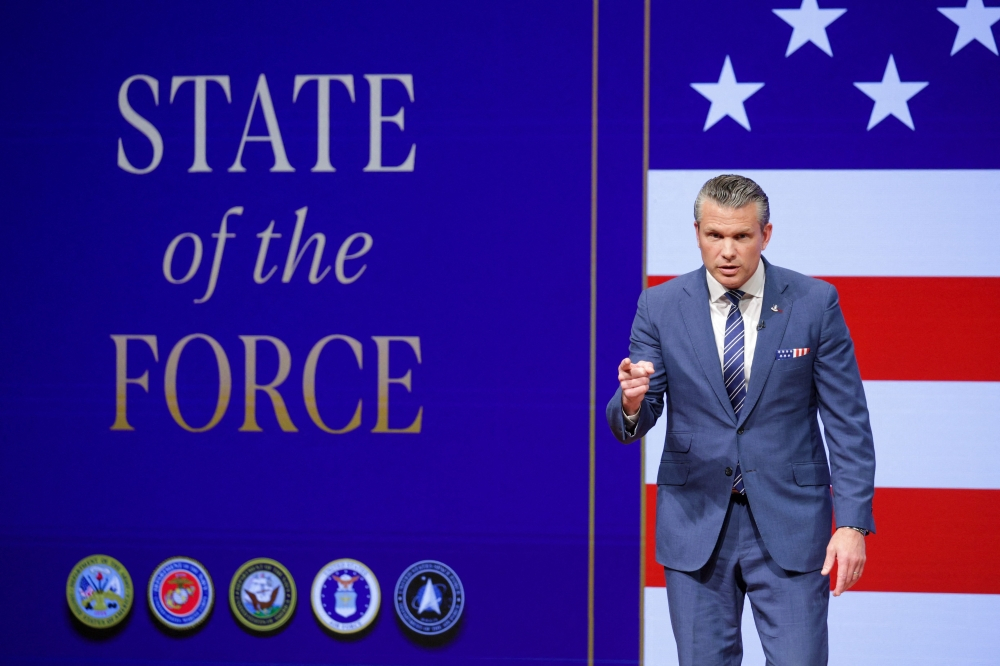
Hegseth made the announcement on Wednesday during his “State of the Force” address at Marine Corps Base Quantico in Virginia, where he outlined a series of changes aimed at reshaping how the US military approaches emerging technologies, autonomous systems and future battlefield capabilities. The future-warfare study is expected to examine the weapons and systems that could become important for the next generation of military operations.
Musk is expected to be part of the initiative alongside former US House Speaker Newt Gingrich and Anduril Industries co-founder Palmer Luckey. According to Hegseth, the effort will focus on discovering, developing and eventually fielding technologies designed for future battlefields, including capabilities extending from underground environments to space.
The announcement comes as artificial intelligence, drones and autonomous technologies are becoming increasingly important in military planning around the world. Recent conflicts, particularly the war in Ukraine, have demonstrated how relatively inexpensive unmanned systems can be used for surveillance, targeting and attacks, pushing military planners to reconsider the role of traditional weapons and platforms.
The Pentagon is also establishing a new Autonomous Warfare Command dedicated to autonomous and robotic capabilities. Reuters reported that the new command will be led by a four-star officer and represents a significant organisational move as the US military seeks to expand its use of drones, artificial intelligence and other autonomous systems.
Hegseth has argued that the speed at which warfare is changing requires the US military to adapt more quickly. The Pentagon’s latest moves reflect a broader effort to explore how artificial intelligence, advanced computing, robotics and commercial technology could influence military operations in the years ahead.
The growing role of AI in defence, however, also raises difficult questions about human control, accountability and the potential risks associated with increasingly autonomous weapons. Experts have warned that rapid advances in military AI could create additional challenges for global security, particularly as major powers compete to develop increasingly sophisticated systems.
For Musk, the Pentagon initiative adds another dimension to his already significant involvement in the US technology and government landscape. Musk previously led the Department of Government Efficiency, known as DOGE, which pursued major reductions in government spending and staffing during the Trump administration.
The Pentagon’s latest announcements show how quickly artificial intelligence and autonomous technology are moving from the technology sector into the centre of military planning. What was once largely a conversation about the future of technology is increasingly becoming a question of how governments and armed forces intend to operate in an era where machines can gather information, make decisions and perform tasks at unprecedented speed.
The coming months will reveal what recommendations emerge from the Pentagon’s future-warfare study and how those ideas translate into actual military programmes. For now, the message from Washington is clear: artificial intelligence, autonomous systems, robotics and advanced technology are becoming central to discussions about the future of warfare.