


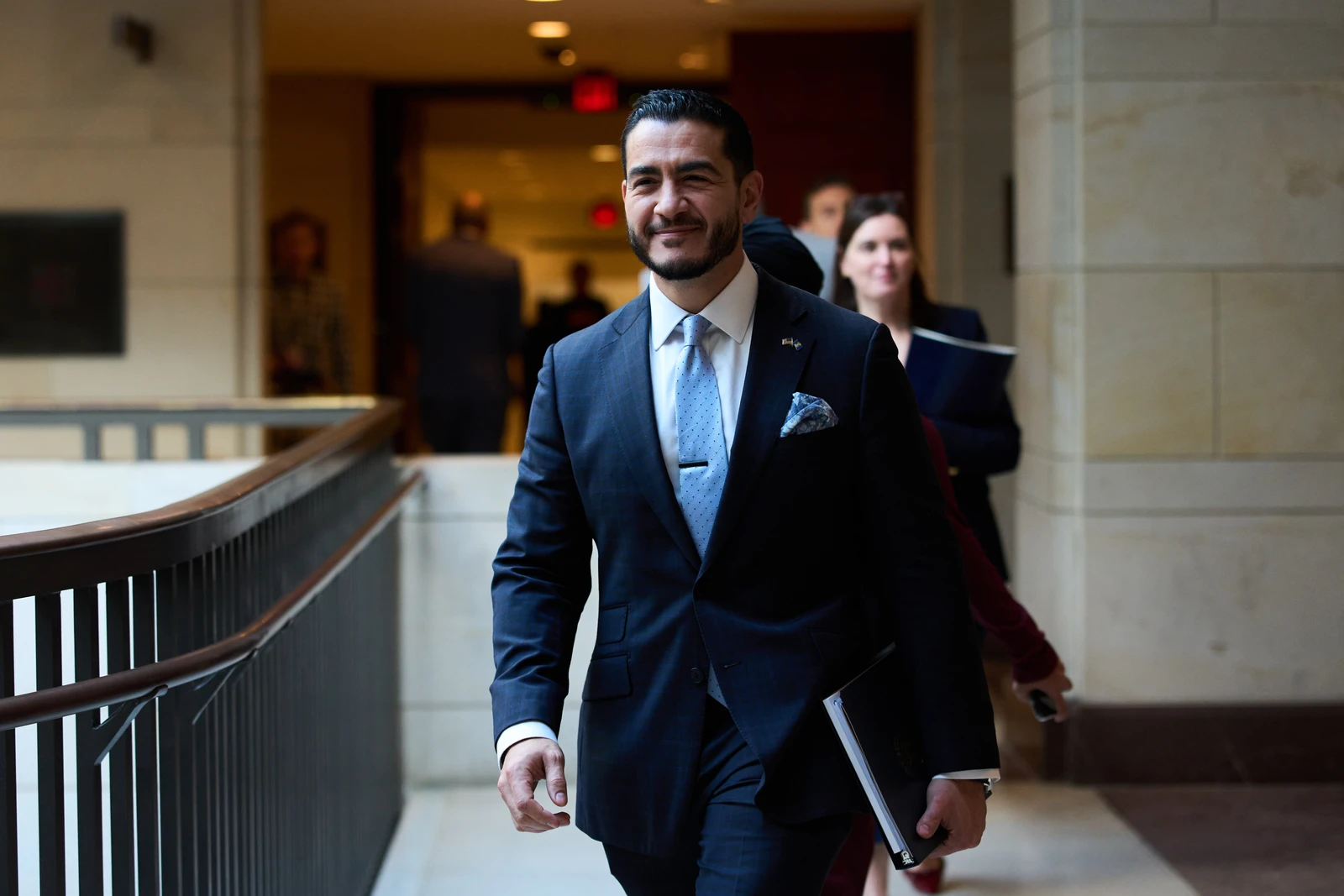
US Senator-elect El-Sayed calls on Defense Secretary Pete Hegseth to resign over Iran war
US Senator-elect Abdul El-Sayed has called on US Defense Secretary Pete Hegseth to step down, accusing him of mishandling the war with Iran and failing to fulfil his responsibilities. His remarks came on Tuesday after the US House of Representatives voted to send a resolution seeking Hegseth’s impeachment to a committee for further consideration.
Speaking during an interview with CNN, El-Sayed questioned Hegseth’s ability to continue leading the Pentagon and argued that his handling of the conflict had raised serious concerns about his leadership.
He urged the defence secretary to resign voluntarily rather than wait for further political action, saying that his performance had demonstrated why he should no longer remain in the position.
El-Sayed also linked the conflict with Iran to the growing financial pressure facing American households. According to him, rising living expenses, particularly fuel and grocery costs, have become major concerns for ordinary Americans.
Reflecting on his conversations with residents across Michigan, he said many people were struggling with the increasing cost of filling their vehicles and purchasing basic groceries.
He argued that the war was contributing to these economic difficulties and questioned why the United States was involved in a conflict that, in his view, was unnecessary.
El-Sayed called for an immediate end to the war, describing the military campaign as illegal, immoral and unethical. He maintained that the consequences of the conflict were being felt beyond the battlefield, particularly through its economic impact on American families.
However, Hegseth has strongly rejected the impeachment efforts. Speaking at a Pentagon news conference earlier on Tuesday, he dismissed the move as a political stunt and questioned the seriousness of the allegations against him.
He maintained that the impeachment effort was unjustified, arguing that his actions were part of carrying out his responsibilities as defence secretary.
As the political disagreement intensifies, the debate is becoming bigger than the future of one government official. It is also raising questions about the cost of military decisions, accountability in leadership and how international conflicts can affect the everyday lives of ordinary people. For American families already struggling with rising expenses, the most important question remains how these decisions will affect their future.