


Pakistan Remains Hopeful for US-Iran Peace Deal, Warns Prolonged War Could Deepen Global Crisis
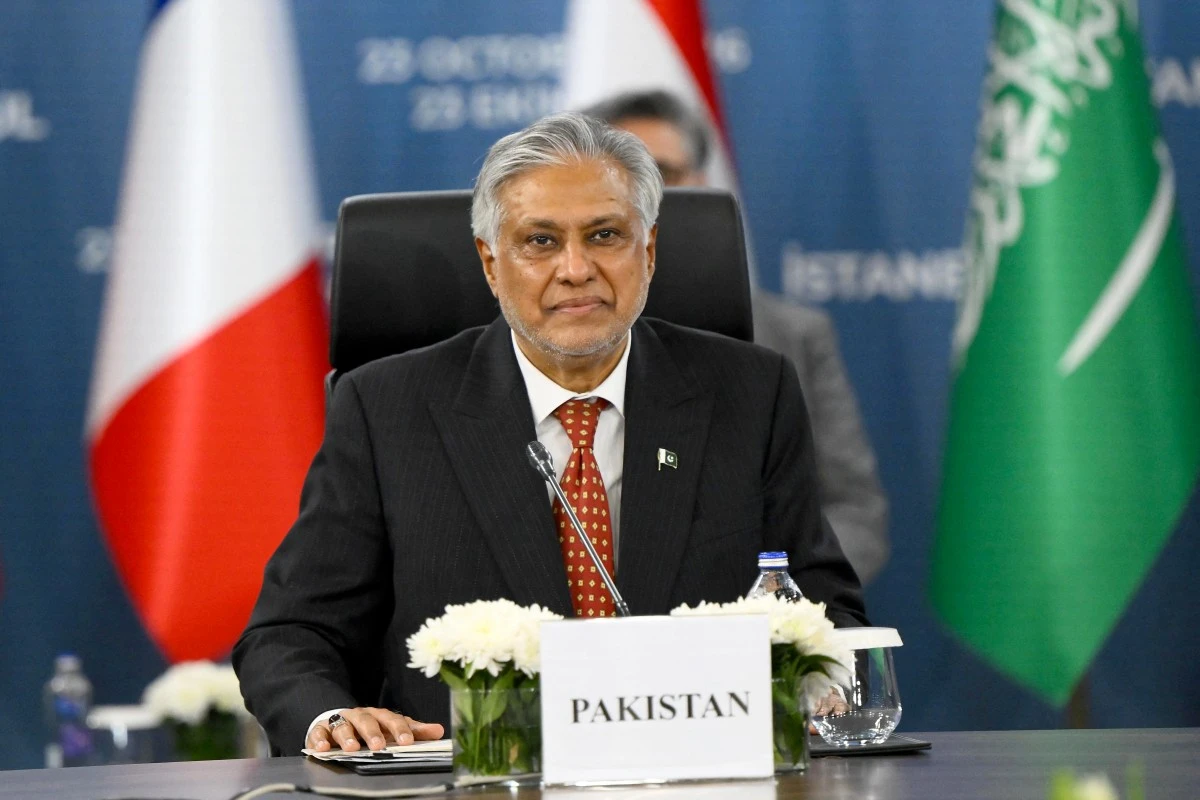
Pakistan’s Deputy Prime Minister and Foreign Minister Ishaq Dar has expressed optimism about the possibility of a diplomatic agreement between the United States and Iran, stressing that the international community cannot afford a prolonged conflict in the Middle East.
Speaking in an interview with Euronews, aired by PTV News on Saturday, Dar said he remained hopeful that both countries would eventually reach an agreement, preferably sooner rather than later.
“I’m a born optimist. I think I would certainly expect that sooner or later — I hope it’s sooner — we will achieve that objective,” Dar said.
He warned that continued military confrontation could have serious consequences beyond the region, particularly for global energy supplies, international markets and ordinary people already facing economic uncertainty. A prolonged conflict could disrupt energy distribution, push prices higher and increase the suffering of civilians, including people in Pakistan.
Despite what he described as subsequent violations of the June 18 agreement, Dar maintained that Pakistan remained committed to supporting diplomatic efforts. Islamabad, he said, continued encouraging both Washington and Tehran to respect their commitments and pursue a peaceful resolution.
Dar also reaffirmed Pakistan’s commitment to an independent and multilateral foreign policy, highlighting the country’s efforts to facilitate direct negotiations between the United States and Iran. He emphasized that dialogue, mutual understanding and diplomatic engagement remain essential to resolving major international disputes.
Rejecting unilateral action and bloc-based politics, the foreign minister argued that lasting peace cannot be achieved through confrontation or pressure alone. He reiterated Pakistan’s position that international disagreements should be addressed through peaceful negotiations while respecting the sovereignty and independence of nations.
He also highlighted Pakistan’s efforts during its 2025–26 term on the United Nations Security Council, where it advocated peaceful dispute resolution, international cooperation and respect for national sovereignty.
As tensions continue to raise concerns across the Middle East and beyond, Pakistan’s message reflects a wider concern shared by many countries: the consequences of war are never limited to those directly involved.
For ordinary families, rising energy prices can mean more expensive electricity, transportation and food. For businesses, uncertainty can threaten jobs, investments and economic stability. And for civilians caught in conflict zones, the human cost is far greater than any political disagreement.
Ultimately, the hope is not simply for an agreement between two governments, but for a future in which diplomacy takes priority over destruction. The world has already seen enough suffering from conflict. What people need now is stability, security and leaders willing to choose dialogue before more lives are affected.