


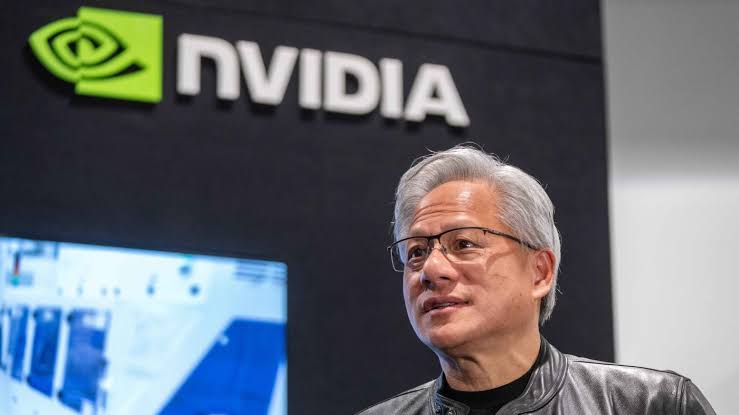
Nvidia faces SEC investigation as controversy surrounding Jensen Huang’s resignation deepens
Nvidia is facing growing scrutiny after US securities regulators reportedly launched an investigation into the technology giant’s accounting practices, adding another layer of uncertainty to a company already dealing with controversy surrounding the departure of its former chief executive, Jensen Huang.
According to reports by The New York Times, the US Securities and Exchange Commission (SEC) has begun an early-stage inquiry into Nvidia’s financial reporting. The investigation is reportedly confidential, with the newspaper citing individuals familiar with the matter. The Wall Street Journal also reported on the probe earlier this week, although its precise focus remains unclear. The investigation could ultimately conclude without any charges being filed against the company.
The regulatory attention comes as questions grow over Nvidia’s financial disclosures and its business connections with Megaspeed, a Singapore-based company that has attracted scrutiny from US authorities over suspected shipments of restricted artificial intelligence chips to China.
Concerns have also emerged over changes Nvidia made to its geographical sales reporting last year. According to US media reports, the company shifted from identifying sales based on customers’ billing addresses to reporting them according to the countries where those customers are headquartered. This adjustment removed Singapore from Nvidia’s geographical sales breakdown, despite the company’s substantial business activities in the country.
However, it remains uncertain whether the SEC’s investigation is directly connected to these reporting changes, the company’s dealings with Megaspeed, or the wider controversy surrounding Jensen Huang’s departure.
Huang resigned earlier this month following revelations concerning alleged extramarital relationships, including one involving Alice Huang, a former Megaspeed executive who has reportedly faced suspicions from US intelligence agencies over alleged connections to Beijing. China has rejected the espionage allegations, while Megaspeed has maintained that it operates within the law.
Following Huang’s resignation, Nvidia’s board appointed former chief financial officer Colette Kress as interim chief executive and initiated an internal investigation into the circumstances surrounding his departure.
The developments have created uncertainty around a company that has become one of the most influential players in the global technology industry. Nvidia’s advanced semiconductors are at the centre of the artificial intelligence revolution, powering everything from large-scale data centres to increasingly sophisticated AI applications.
Investor confidence has also taken a hit. Nvidia shares fell 14 per cent on Friday, taking their losses for the week beyond 20 per cent. The sharp decline reflects growing concerns about the company’s leadership, regulatory exposure and the potential impact of the unfolding controversy.
Despite the uncertainty, US President Donald Trump expressed support for Huang’s possible return, telling reporters on Friday that he would welcome giving the former chief executive another opportunity.
“I think that I would love to see Jensen be given a second chance,” Trump said.
However, Nvidia Chairman Harvey Jones has ruled out the possibility of Huang returning, stating that the board unanimously accepted his resignation.
As the situation develops, Nvidia faces an important period in its corporate history. Beyond its position in the AI industry and its financial performance, the company must now address questions surrounding transparency, leadership and investor confidence. For shareholders, technology partners and the wider market, the coming weeks could prove significant in determining how Nvidia navigates this period of uncertainty.
Ultimately, the story is about more than one executive stepping away from a powerful technology company. It is also a reminder that even the biggest names in the global technology industry must maintain public trust, strong corporate governance and confidence in their financial reporting. When a company’s leadership and credibility come under scrutiny, the consequences can reach far beyond its boardroom.