


Houthi missile attack puts Riyadh on alert as Yemen conflict escalates
Riyadh was placed on high alert after Saudi Arabia said a ballistic missile launched by Yemen’s Houthi movement was intercepted near the Saudi capital, bringing renewed attention to the widening risks surrounding Yemen’s conflict.
The Saudi-led coalition said the missile was launched toward Riyadh at dawn. Saudi coalition spokesman Turki al-Malki said the country’s air defences intercepted and destroyed the missile. He also alleged that the Houthis attempted to target civilian areas and infrastructure in Bisha, Taif, Farasan and Yanbu.
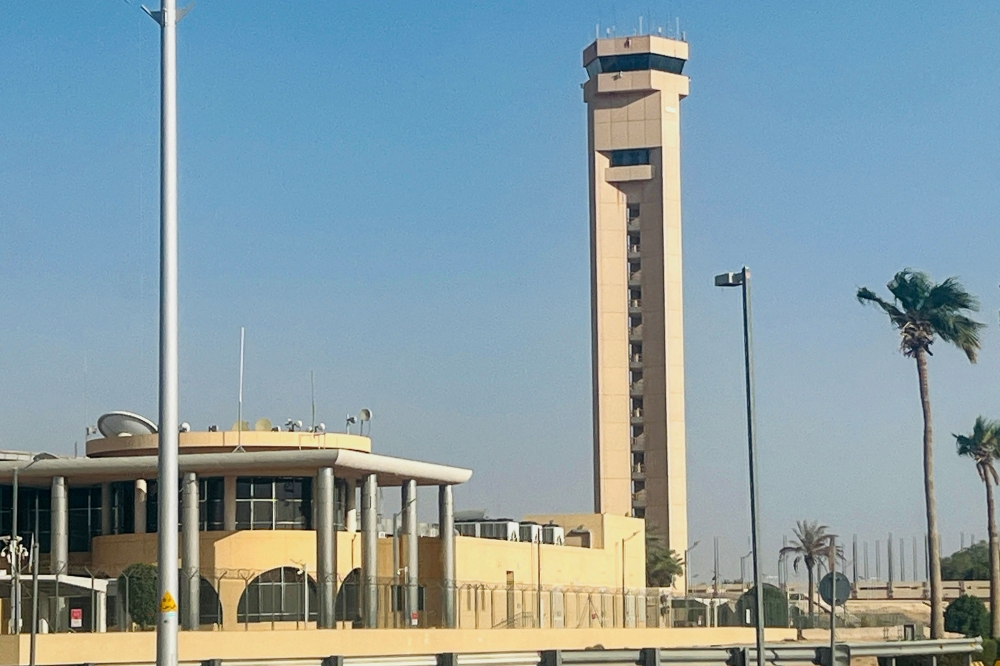
The incident came after a fire was reported near King Khalid International Airport. An AFP journalist at the scene reported seeing firefighters extinguish a blaze involving a fuel tank carrying the logo of Saudi oil giant Aramco at a nearby fuel depot. Video verified by AFP showed dark smoke rising above the airport area.
For people living in Riyadh, the incident turned an otherwise ordinary morning into a moment of uncertainty. Saudi authorities had issued an overnight air raid warning, advising residents to remain indoors because of what was described as a hostile aerial threat.
Residents interviewed by AFP described hearing explosions across parts of the capital. One 27-year-old resident told AFP that the warning came first, followed by explosions that shook the windows of his home. Another resident described the experience as terrifying.
Air traffic was also temporarily affected. FlightRadar24 reported major disruption at King Khalid International Airport before flight activity began returning toward normal levels.
The Houthis gave a different account of the events. Military spokesman Yahya Saree said on Telegram that the group had carried out two military operations using ballistic and cruise missiles as well as drones. According to his statement, one operation targeted sites in Riyadh while another targeted Aramco facilities in Yanbu.
The developments reflect a sharp escalation in a conflict that has already caused years of suffering in Yemen. The Houthi movement has recently expanded its control over parts of the country, while Saudi Arabia has responded with airstrikes against Houthi-held areas.
The United States also issued a regional security warning, saying the conflict involving the Iran-backed Houthis had the potential to escalate rapidly. The warning highlighted previous Houthi attacks against Saudi Arabia, including attacks affecting civilian airports.
The latest confrontation comes at an especially sensitive time for the region. Yemen’s conflict has repeatedly drawn in regional and international powers, with Saudi Arabia supporting Yemen’s internationally recognised government and Iran backing the Houthi movement.
The Houthis have also faced accusations from Saudi Arabia over an alleged attempt to target Mecca. Saudi authorities described the alleged incident as a serious attack, while the Houthis denied responsibility and rejected the accusation.
The conflict has had a heavy humanitarian cost. According to the United Nations, renewed fighting has displaced more than 112,000 people, while thousands of others have crossed the sea toward Djibouti.
Yemen’s current war began in 2014, when the Houthis seized control of Sanaa and expanded their influence across parts of the country. Saudi Arabia subsequently led a military intervention in March 2015. Although a fragile truce offered a period of relative calm, tensions between the opposing sides have continued.
The latest escalation also comes as the Houthis strengthen their positions along Yemen’s Red Sea coastline. AFP reported that members of the group described efforts to improve defensive capabilities, including radar installations and tunnels.
For Saudi Arabia, the reported missile launch toward Riyadh highlights how developments inside Yemen can quickly affect security far beyond the battlefield. For Yemenis, however, the renewed fighting represents another chapter in a conflict that has already displaced communities and deepened an enormous humanitarian crisis.
Regional analysts quoted by AFP have warned that both sides could become trapped in a cycle of escalation. Anna Jacobs of the Arab Gulf States Institute in Washington told AFP that Saudi Arabia was entering a period of escalation with the Houthis, while also arguing that negotiations would ultimately be necessary to end the confrontation.
The immediate question is how the latest exchange will affect the wider region. Any further attacks involving Saudi territory, Yemen, civilian infrastructure or international shipping routes could increase pressure for a diplomatic response.
For now, Riyadh remains on alert, while the conflict in Yemen continues to demonstrate how quickly a localised confrontation can create consequences across the wider Middle East.