


Saudi Arabia reports attack on key East-West oil pipeline as Houthi strikes intensify
Saudi Arabia has reported an attack on its strategically important East-West oil pipeline, raising fresh concerns over the security of the kingdom’s energy infrastructure as tensions across the Middle East continue to escalate. Despite the incident, Saudi authorities confirmed that oil transportation operations remained unaffected.
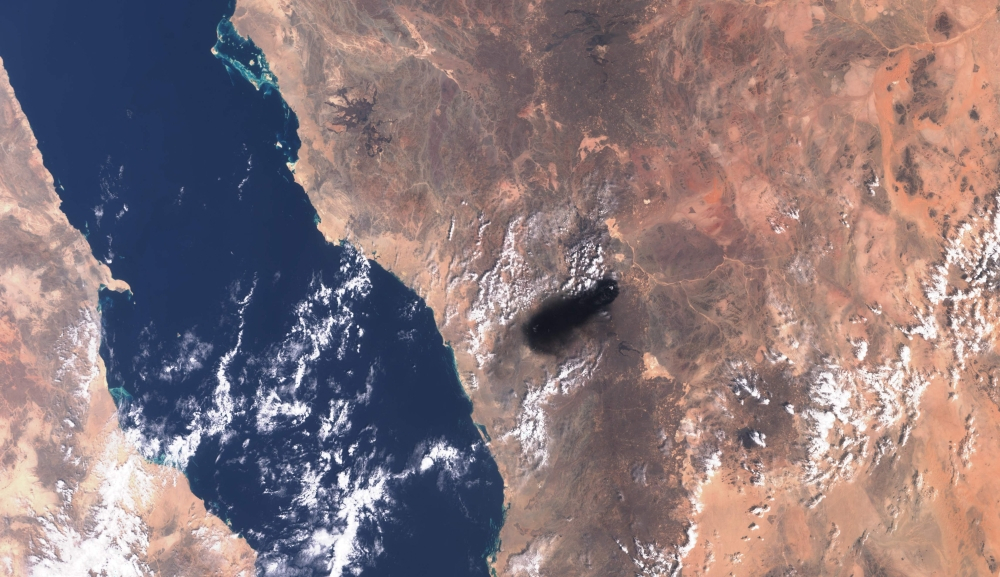
According to the Saudi Press Agency (SPA), an official from the Ministry of Energy said the pipeline was targeted in the Medina region of western Saudi Arabia. The incident caused a limited fire, which emergency teams managed to extinguish. Authorities confirmed that no injuries or fatalities were reported and that the pipeline continued operating normally.
Although Saudi Arabia did not identify those responsible for the attack, Yemen’s Iran-backed Houthi movement has repeatedly targeted Saudi energy facilities using drones and missiles. The latest incident comes amid renewed hostilities between the two sides, following the breakdown of a truce that had helped reduce tensions in their long-running conflict.
The East-West pipeline has become increasingly important to global energy markets, particularly during the ongoing Middle East conflict. It provides Saudi Arabia, the world’s largest crude oil exporter, with an alternative route to transport oil towards international markets through the Red Sea, reducing its dependence on shipments passing through the strategically vital Strait of Hormuz.
The Strait of Hormuz remains one of the world’s most important energy transportation routes. Any disruption to shipping through the narrow waterway can have significant consequences for global oil supplies, energy prices and international trade.
Meanwhile, security concerns have also intensified in the Saudi capital, Riyadh. Authorities issued an alert warning residents about a potential hostile aerial threat, advising people to remain indoors, move away from windows and doors, and follow Civil Defence instructions. The warning was lifted shortly afterwards.
The alert followed an earlier attack that reportedly caused damage to a skyscraper associated with Saudi oil giant Aramco, raising concerns about the vulnerability of major commercial and energy-related locations in the capital. Saudi authorities described the damage as minor, resulting from falling shrapnel following an attempted attack.
The escalating security situation has also affected daily life for families and students. Parents in Riyadh received notifications informing them that schools would return to online learning as a precautionary measure. The announcement came just two days after students had resumed classroom education following several weeks of distance learning. Authorities did not provide a specific timeline for the return to physical classes.
Although the Houthis did not announce a new attack on Riyadh on the day of the pipeline incident, the group reported that Saudi forces had struck Hodeida airport on Yemen’s Red Sea coast. The airport has reportedly been out of operation for an extended period.
Separately, the Saudi-led coalition fighting the Houthis announced that it had destroyed three facilities involved in producing missile components and fuel. However, it did not disclose the locations of the facilities.
The conflict has also brought renewed attention to civilian casualties in Yemen. Houthi broadcaster Almasirah Television reported that the death toll from Saudi strikes on a village in Sanaa province over the weekend had risen to 44, including more than 20 children. These figures were reported by the Houthi media outlet and were not independently verified in the supplied report.
On Sunday, the Houthis claimed responsibility for attacks targeting Riyadh’s business district, where witnesses reported damage to Aramco Tower. Saudi authorities said the building sustained minor damage from falling shrapnel. Over the years, Houthi attacks have also targeted Aramco tankers, refineries, oil storage facilities and other critical energy infrastructure.
The Saudi-led military coalition first entered the conflict in March 2015, following the Houthi takeover of Yemen’s capital, Sanaa, which forced the internationally recognised government from power.
A growing concern for regional and global stability
The latest developments highlight how quickly regional security tensions can extend beyond military installations and affect energy infrastructure, businesses, schools and ordinary families. While Saudi Arabia has confirmed that its East-West pipeline remains operational, the attack underlines the importance of protecting alternative energy transportation routes during periods of heightened instability.
For global markets, the security of Saudi Arabia’s oil infrastructure is particularly significant. Any major disruption could have consequences extending far beyond the Middle East, affecting international energy supplies, transportation costs and economies that depend on stable oil markets.
As tensions continue, the impact on civilians and the wider global economy remains a major concern. The coming days will be important in determining whether the latest exchanges lead to further escalation or renewed efforts to contain the conflict.
Source: Agence France-Presse (AFP) and Saudi Press Agency (SPA).