


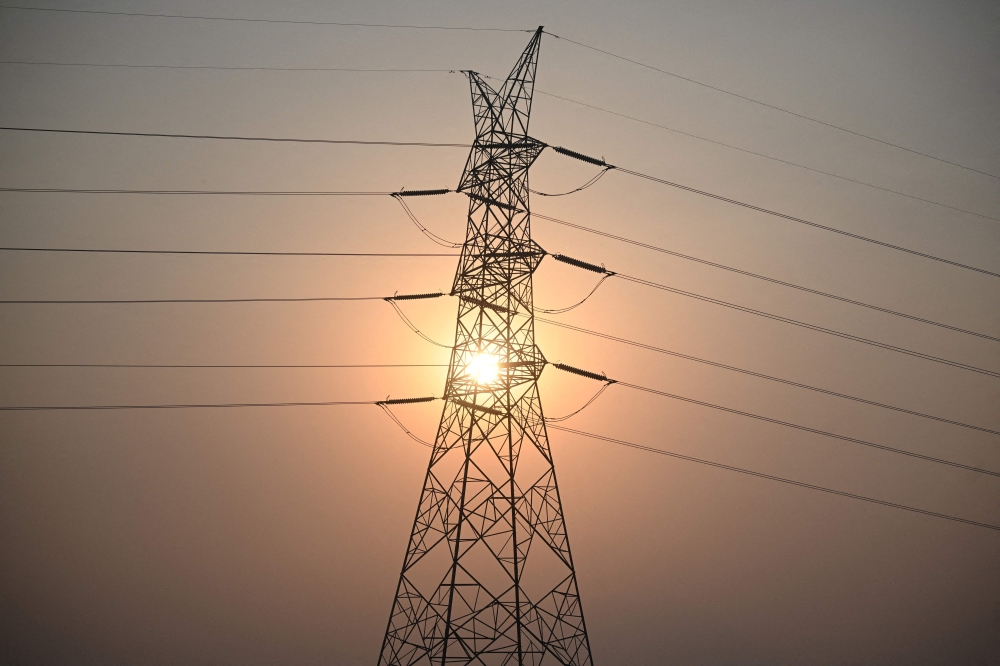
Power grid collapse leaves millions struggling in Philippines during extreme heatwave
Millions of people across the Philippines were left without electricity on Friday after a major power grid collapse triggered widespread outages during the country’s hottest month of the year. The sudden blackouts affected homes, businesses, and essential services as temperatures continued to rise across the nation.
According to the National Grid Corporation of the Philippines (NGCP), several areas in Manila and across Luzon experienced rolling one-hour power interruptions beginning in the afternoon. Authorities said the outages were caused by major disruptions in transmission lines combined with maintenance shutdowns at several large power plants.
The crisis is expected to extend beyond Luzon, with parts of the central islands also preparing for longer outages that could last up to seven hours. The situation has raised serious concerns among residents already dealing with intense heat and increasing dependence on air conditioning and cooling systems.
Energy Secretary Sharon Garin called for a full investigation into the incident, emphasizing that the public deserves transparency and accountability over disruptions of this scale. She assured citizens that operational, technical, and compliance issues would be thoroughly reviewed and that proper action would be taken if necessary.
Officials have yet to announce when the country’s power supply will fully stabilize.
Luzon, the country’s largest and most economically important island, is home to nearly half of the Philippines’ 116 million population. The blackout comes at a critical time when electricity demand is soaring due to record-breaking temperatures.
The power interruptions also arrive while many Philippine government agencies are observing a temporary four-day work week introduced shortly after rising global tensions linked to the Iran-US-Israel conflict.
For millions of families already struggling with the heat, the blackout has become more than just an inconvenience. It has disrupted daily life, affected businesses, increased health risks, and added pressure on communities trying to stay safe during extreme weather conditions. As temperatures continue to climb, many citizens are now demanding stronger infrastructure, better energy management, and faster government action to prevent future nationwide power crises.