


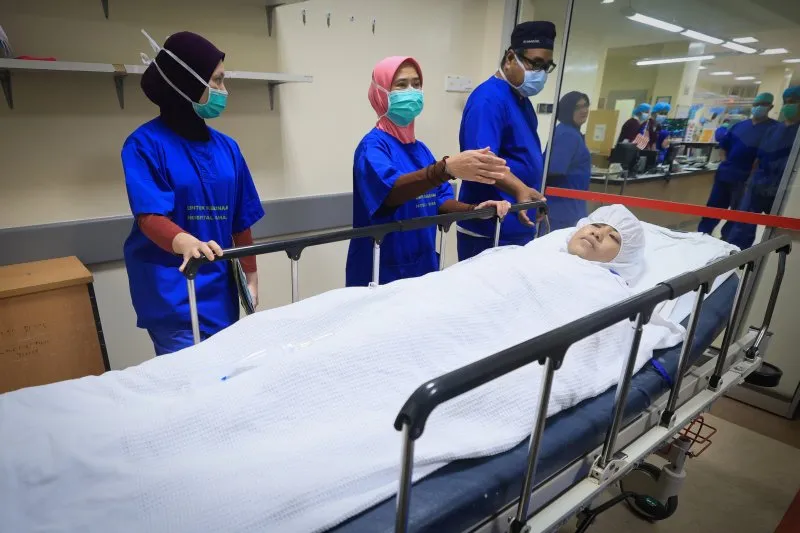
Malaysia Introduces New Healthcare Guidelines to Protect Muslim Women’s Aurat During Childbirth
For many Muslim women, protecting their aurat is not just a matter of personal preference. It is closely connected to their religious beliefs, dignity, privacy and comfort. For some expectant mothers, concerns about bodily exposure during childbirth have even influenced their decisions about where to give birth.
Malaysia’s Ministry of Health (MOH) is now taking steps to address these concerns by introducing new guidelines to protect patients’ aurat during childbirth and medical procedures.
The guidelines, which are the first of their kind in Malaysia, focus on safeguarding women’s privacy in hospital delivery rooms and operating theatres. They include providing appropriate medical clothing and disposable coverings to ensure that only the areas necessary for treatment are exposed.
Deputy Health Director-General (Medical) Datuk Dr Mohd Azman Yaacob said the initiative addresses an important aspect of healthcare that had not received sufficient attention in the past.
Speaking to reporters after the launch of the Guidelines for Aurat Protection for Patients at Raja Perempuan Zainab II Hospital (HRPZ II), he acknowledged that although healthcare professionals understood the importance of patient privacy, more needed to be done to put proper measures in place.
Previously, patients undergoing surgery were generally not allowed to wear undergarments because of hygiene requirements and concerns about contamination. Under the new approach, suitable disposable coverings are provided to help maintain patients’ modesty while allowing medical teams to carry out necessary procedures safely.
Similar arrangements are being introduced in maternity wards. Expectant mothers are provided with appropriate garments that cover their bodies while allowing healthcare professionals access to the areas required during delivery.
Addressing the concerns that keep women away from hospitals
One of the key objectives behind the guidelines is to encourage more women to give birth at hospitals and healthcare facilities rather than choosing home births because of concerns about aurat exposure.
Dr Mohd Azman explained that some women may feel uncomfortable delivering their babies in medical facilities if they believe their privacy and religious requirements will not be respected.
The MOH hopes these changes will help ease such concerns and create a more welcoming healthcare environment for Muslim women.
He also emphasised that giving birth in a properly equipped healthcare facility is important for the safety of both mother and baby. Childbirth can involve unexpected complications, including excessive bleeding, difficulties delivering the placenta and abnormal baby positioning, which may require immediate medical attention or surgery.
Having specialists, medical officers and nurses trained in midwifery available can make a critical difference when emergencies arise.
A step towards more respectful and inclusive maternity care
The new guidelines have already been implemented at Raja Perempuan Zainab II Hospital in Kelantan. The official launch is intended to raise public awareness about the arrangements available and reassure women that their modesty and privacy can be respected during medical treatment.
Beyond the introduction of new clothing and coverings, the initiative highlights a wider message: healthcare should not only focus on treating medical conditions but also recognise patients’ personal, cultural and religious needs.
For women preparing for motherhood, feeling safe and respected during childbirth matters. No woman should have to feel that she must choose between protecting her religious values and receiving professional medical care.
By addressing these concerns, Malaysia’s Ministry of Health is taking an important step towards making maternity services more considerate, comfortable and accessible to women.
Ultimately, every mother deserves the opportunity to welcome her child into the world with proper medical support, dignity, privacy and peace of mind.
Source: Bernama