


Saudi energy minister calls for ‘serious’ response after Houthi attacks
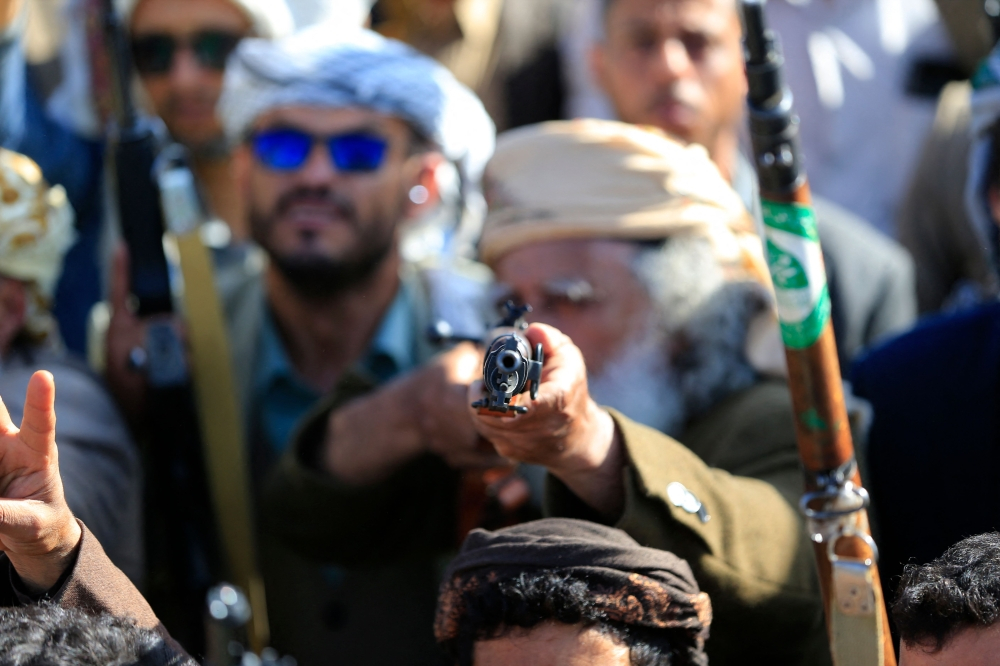
Saudi Arabia’s Energy Minister, Prince Abdulaziz bin Salman, has called for a serious response following a series of deadly attacks attributed to Yemen’s Houthi movement, including reported strikes targeting Riyadh airport and other locations across the kingdom.
Speaking at an energy conference in Riyadh, the minister highlighted the gravity of the recent developments and stressed that the situation required a response proportionate to the seriousness of the incidents.
“The events of recent weeks are serious, our response must be equally serious,” Prince Abdulaziz said, according to Agence France-Presse (AFP).
His remarks come amid heightened concerns over regional security and the potential consequences of attacks on Saudi territory. Such incidents can raise questions about the protection of critical infrastructure, the safety of civilians and the stability of vital energy facilities across the Middle East.
Saudi Arabia occupies a strategically important position in global energy markets, making security developments within the kingdom a matter of international concern. Any escalation in regional hostilities could have wider implications for energy supply chains, investor confidence and economic stability, depending on the scale and duration of the disruption.
The minister’s comments also underline the broader challenges facing the region as tensions continue to place pressure on diplomatic and security efforts. While governments seek to protect their territories and infrastructure, the risk of further escalation remains a concern for neighbouring countries and international partners.
For now, the focus remains on how Saudi Arabia will respond to the reported attacks and whether the latest developments will lead to further security measures or changes in the regional approach to the conflict.
Beyond political statements and military considerations, the human consequences of continued violence remain significant. Protecting civilians, preventing further loss of life and avoiding a wider regional conflict will be essential priorities as the situation develops. The international community will be watching closely to see whether the coming response increases tensions or creates an opportunity to restore greater stability.