


Lebanon Condemns Israel Over Alleged Systematic Destruction in the South
Lebanon’s Prime Minister Nawaf Salam has sharply criticized Israel over what he described as the “systematic destruction” of homes, infrastructure and public facilities in southern Lebanon, warning that the continued demolitions and military activity could represent serious violations of international law.
Speaking on Wednesday, Salam said Israeli attacks, incursions and demolitions were affecting homes, infrastructure, government buildings and places of worship across parts of the south. He rejected claims that entire villages and towns could be treated as military facilities, arguing that such a justification could not be used to destroy communities, displace residents or prevent people from returning to their homes.
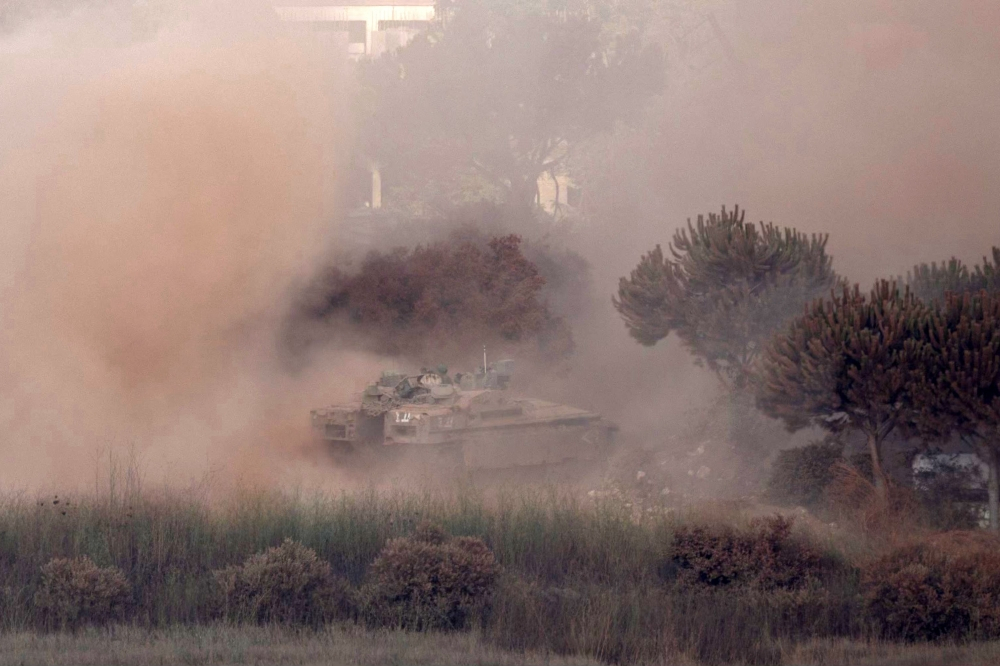
The comments came as Israeli Defence Minister Israel Katz visited southern Lebanon and said Israeli forces would continue operating inside what Israel describes as a security zone.
Katz said the military was targeting underground infrastructure and described the destruction of homes in the area as part of Israel’s ongoing military operations.
The developments have added fresh pressure to an already fragile situation between Lebanon and Israel. Although the intensity of violence has declined following agreements aimed at reducing hostilities, reports of Israeli strikes and demolitions in southern Lebanon continue to raise concerns about the future of the region.
Destruction Reported in Southern Villages
Lebanon’s state-run National News Agency reported that Israeli forces carried out detonations in several southern villages, including Zawtar al-Shariqya, an area located near one of the zones included in the current security arrangements.
The Lebanese army said a municipal building, public school, health clinic, children’s nursery and several homes had been destroyed in the village.
For residents, such destruction goes beyond damaged buildings. Homes, schools, clinics and municipal facilities are part of the basic infrastructure that allows communities to function and families to rebuild their lives.
The Lebanese government has repeatedly called for the protection of civilians and the restoration of stability in the south, particularly as diplomatic efforts continue to prevent another prolonged escalation.
US Calls for Compliance With Framework Agreement
The United States has also weighed in on the situation.
A US State Department official said Washington expects all parties to follow the framework agreement reached between Lebanon and Israel. The official also stressed that Israel has stated it has no territorial ambitions in Lebanon.
According to the US position, maintaining a permanent military presence in southern Lebanon would not be consistent with the commitments outlined in the framework or with the longer-term goal of peace and security for both countries.
The statement highlights the difficult balance facing international diplomacy. While Israel says its military actions are intended to address security threats, Lebanon continues to demand an end to attacks, demolitions and military activity on its territory.
Lebanon Faces a Difficult Road Ahead
The latest developments come after months of conflict and instability involving Israel, Lebanon and Hezbollah.
Lebanese authorities say thousands of people have been killed since the escalation began, while communities across southern Lebanon have experienced displacement, destruction and disruption to essential services.
A framework agreement reached in June calls for the disarmament of Hezbollah, a gradual withdrawal of Israeli forces from southern Lebanon and the deployment of the Lebanese army in the region, initially through designated pilot zones.
The success of that arrangement will depend heavily on whether the parties can maintain communication and prevent further military escalation.
Lebanese Army Commander Rodolphe Haykal met US General Joseph Clearfield on Wednesday to discuss developments in southern Lebanon and security arrangements connected to the agreement.
The Lebanese military said the discussions also addressed challenges facing the army, particularly those linked to continued attacks, bulldozing and destruction in the south.
Lebanese President Joseph Aoun separately met Clearfield to discuss the implementation of the framework.
A Region Still Waiting for Stability
For ordinary Lebanese families living in the south, diplomatic agreements are ultimately measured by something much simpler: whether they can safely return home, rebuild their communities and live without the fear of another attack.
The latest accusations and military developments show how fragile the situation remains.
While negotiations continue, the destruction of homes and public facilities risks making recovery even harder for communities already struggling to rebuild. The challenge for Lebanon, Israel and international mediators is now to turn diplomatic commitments into conditions that can deliver lasting security and allow displaced communities to return safely.
Lebanon and Israel are expected to participate in another round of US-sponsored negotiations in Rome next month.
The talks could become another important test of whether the current framework can move beyond political commitments and produce meaningful stability on the ground.
This report is based on information attributed to AFP and statements from Lebanese, Israeli and US officials.