


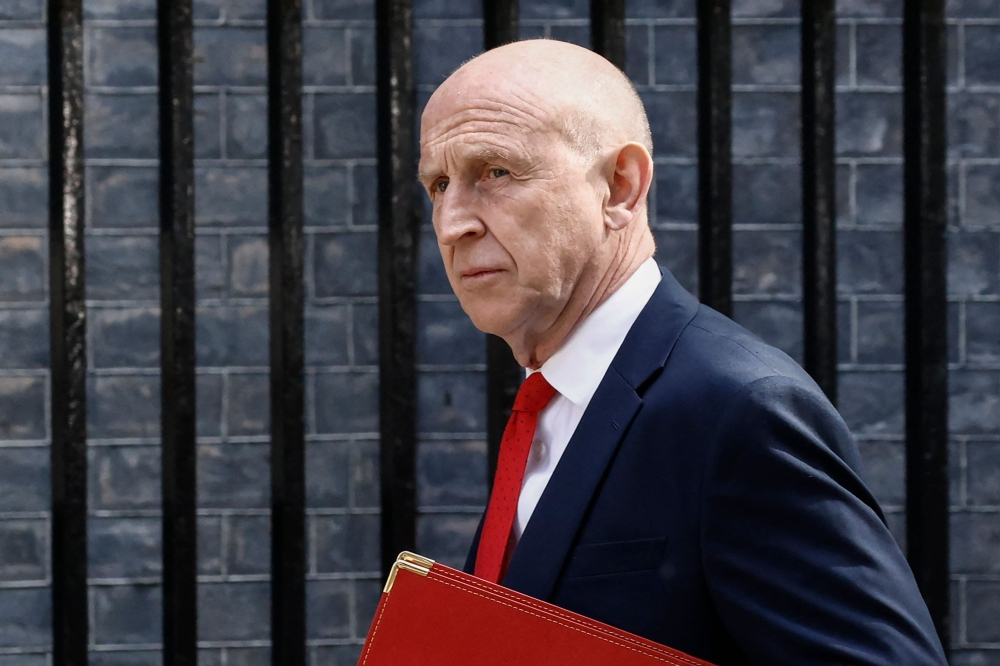
UK Defence Secretary Resigns, Warning Britain Risks Becoming ‘Less Safe’ Amid Defence Spending Dispute
The political landscape in the United Kingdom was shaken after Defence Secretary John Healey announced his resignation, delivering a stark warning that the government’s current defence spending plans could leave the country increasingly vulnerable during a period of rising global security threats.
Healey stepped down from his position, openly criticizing Prime Minister Keir Starmer and the Treasury for what he described as an inadequate commitment to national defence funding. His departure represents a significant challenge to Starmer’s leadership at a sensitive political moment, with Labour facing growing scrutiny and a crucial by-election looming on the horizon.
In a strongly worded resignation letter shared publicly, Healey argued that the government’s proposed Defence Investment Plan (DIP), intended to guide military spending over the next decade, falls far short of what Britain requires to address modern security challenges.
According to Healey, despite repeated discussions and warnings, neither the Prime Minister nor the Treasury demonstrated sufficient willingness to allocate the resources necessary to strengthen the nation’s armed forces. He emphasized that he could not support a defence settlement that failed to provide military personnel with the funding and capabilities they need.
The disagreement centers on the government’s long-delayed Defence Investment Plan, which has yet to be officially published. Healey revealed that after finally reviewing the full proposal, he found the projected spending increases disappointing and insufficient. The plan reportedly raises defence spending to approximately 2.68 percent of the UK’s economic output by 2030, a figure Healey believes does not adequately address growing international threats.
Prime Minister Starmer responded by defending the government’s approach, insisting that the proposed investments would modernize and transform Britain’s armed forces while ensuring national security remains a top priority. He reaffirmed his commitment to increasing defence spending and maintaining the country’s obligations within NATO.
The political fallout did not stop there. Armed Forces Minister Al Carns also resigned, alongside senior Healey adviser Pamela Nash, adding further pressure on the government and intensifying questions about internal unity within Labour.
In response, former army officer Dan Jarvis was appointed as the new Defence Secretary, moving from his previous role within the Home Office. His appointment comes at a time when Britain faces increasing pressure to strengthen its military capabilities amid heightened geopolitical tensions, particularly concerning Russia and broader European security.
The debate over defence spending has become increasingly important across NATO nations. The United States has repeatedly encouraged alliance members to contribute more toward their own security and reduce dependence on Washington. Britain has pledged to increase military spending over the coming years, with targets aimed at reaching higher percentages of economic output through the next decade.
However, Healey’s resignation has amplified concerns that the government’s ambitions may not be matched by concrete financial commitments. Critics argue that delays in publishing the Defence Investment Plan and uncertainty surrounding future spending targets risk undermining military readiness and long-term strategic planning.
The resignation also fuels wider political speculation surrounding Labour’s future leadership. Several prominent Labour figures have been mentioned as potential contenders should a leadership contest emerge, although Healey’s departure has not officially been linked to such ambitions.
Political analysts suggest the resignation represents more than a disagreement over budgets. It highlights deeper tensions within government decision-making and raises questions about Labour’s ability to maintain unity while addressing increasingly complex domestic and international challenges.
As Britain prepares for upcoming political tests and navigates an uncertain global security environment, Healey’s warning is likely to remain at the center of public debate. Whether the government adjusts its defence strategy or stands firm on its current course, the issue of national security funding has now become one of the defining political challenges facing the country.
For many observers, the resignation serves as a reminder that defence spending is not merely a financial discussion—it is ultimately about how prepared a nation is to protect its people, respond to emerging threats, and safeguard its future in an increasingly unpredictable world.