


US Government Shutdown Forces Closure of Iconic Tourist Sites
A Nation on Pause: Political Standoff Closes Landmarks, Frustrates Citizens
On the first day of the U.S. federal government shutdown, the effects rippled far and wide — from closed park gates to disrupted paychecks — turning cherished national landmarks into silent symbols of a country in political gridlock.
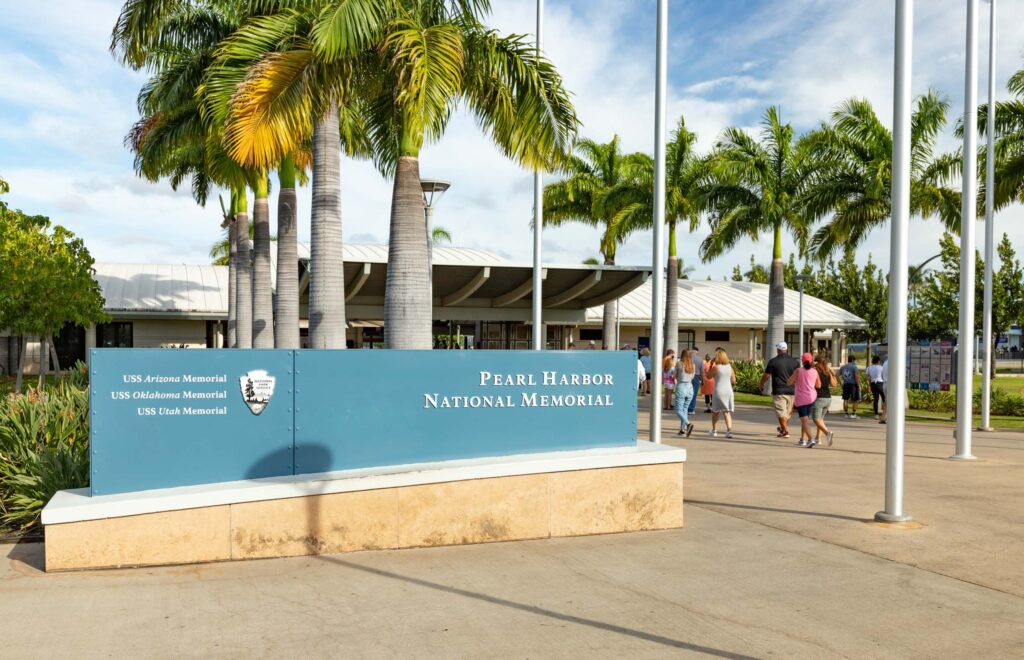
Historic treasures like the Liberty Bell in Pennsylvania and Pearl Harbor in Hawaii stood closed, roped off from tourists who traveled across states and countries to see them. The shutdown, caused by a deadlock between Republicans and Democrats over budget negotiations, has already begun to impact hundreds of thousands of federal workers and critical services across the country.
“It’s frustrating that they’re playing politics in D.C.,” shared Jim Feather, a visitor from Elizabethtown, Pennsylvania, who had come to Acadia National Park with his wife. “Their job is to pass a budget. If they’re not doing their job, then what exactly are they doing?”
The Political Crossfire
While Americans deal with the real-world consequences of the shutdown, lawmakers in Washington have plunged deeper into a blame game.
The Trump administration pointed fingers at Democrats, accusing them of halting funding in favor of undocumented immigrants’ health coverage — a claim swiftly denied by Democratic leaders. In a dramatic White House press briefing, Vice President JD Vance doubled down on the accusation, even airing a meme video mocking Democratic House Leader Hakeem Jeffries, which Jeffries condemned as “bigoted.”
Jeffries clapped back with a meme of his own, a digital duel that might amuse some but infuriates many Americans looking for leadership — not theatrics.
Democrats, on their part, argued their focus was to protect Affordable Care Act subsidies, which millions of families rely on to prevent skyrocketing healthcare costs. Senate Majority Leader Chuck Schumer accused Trump of “using the American people as pawns” in a calculated political chess match.
Ripple Effects on the Economy
The human cost is mounting. An estimated 750,000 federal workers face furloughs, and many fear permanent job loss if the impasse continues. The impact stretches far beyond tourism: education programs, environmental initiatives, and vital social services are now in limbo.
A recent ADP employment report revealed the private sector shed 32,000 jobs in the past month — a warning sign for a labor market already under strain.
To add to the uncertainty, the administration has reportedly frozen nearly $26 billion in state projects, including $18 billion earmarked for transit infrastructure in New York and $8 billion for clean energy efforts in 16 states — most of which are Democratic strongholds.
This Shutdown Hits Deeper
Unlike the 2018–2019 shutdown, which was partially mitigated by temporary funding, the current closure is more sweeping. There’s no buffer this time. Offices are closed, services suspended, and polling indicates the public is almost evenly split over who deserves the blame.
But while the political elite trade barbs and memes, the average American is paying the price — in lost income, canceled plans, and closed doors.
A Call for Real Leadership
For now, tourists will go home disappointed, federal employees will wait anxiously for clarity, and the country will continue holding its breath. But beyond the politics and headlines, this shutdown is a human story — one that reminds us how fragile everyday life can be when governance is reduced to partisanship.
This isn’t just a battle between red and blue. It’s a reminder that behind every closed gate and every missed paycheck is a real person, a real family, a real dream — put on hold.