


High-Rise Dreams: How Gen Z Is Transforming Malaysia’s Housing Landscape
KUALA LUMPUR, Sept 1 —
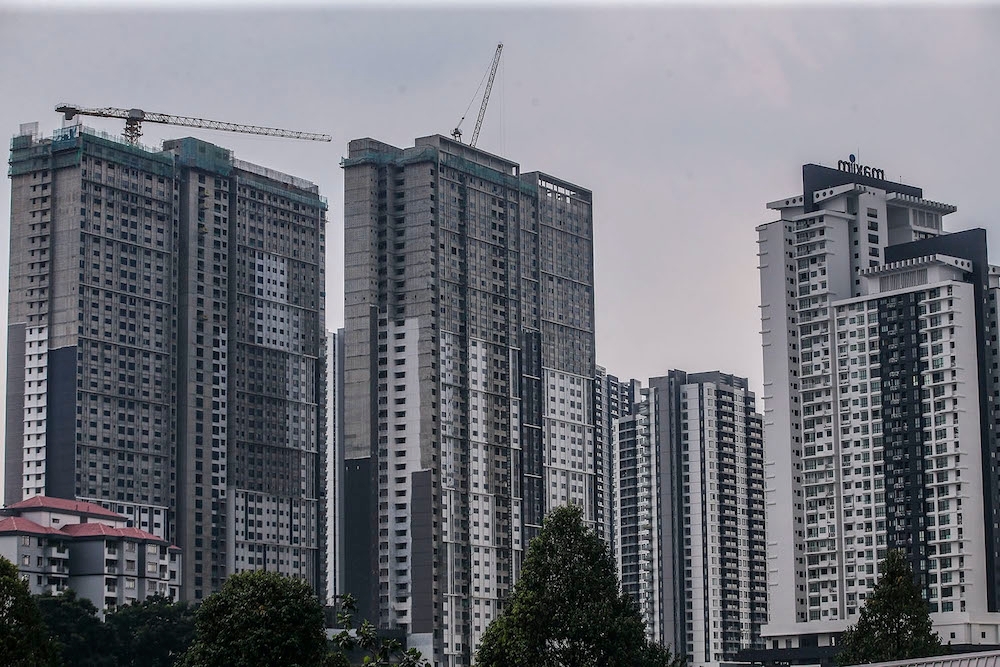
The skyline of Malaysia is evolving — and it’s not just the buildings that are changing, but who’s choosing to live in them. A new wave of homebuyers is rising fast, and they’re looking up — quite literally.
According to recent findings from property powerhouse Juwai IQI, four out of five Gen Z Malaysians now prefer high-rise living, opting for condominiums or apartments over traditional landed homes. This marks a major shift in housing trends, diverging sharply from older generations who have long associated success and security with owning a home on solid ground.
“Gen Z are buying into the skyline, while Millennials and Gen X keep their feet on the ground,” says Kashif Ansari, co-founder and Group CEO of Juwai IQI.
This insight comes from a detailed analysis of over 127,000 property transactions since 2018, revealing how different generations think — and buy — differently when it comes to homeownership.
The Numbers Tell the Story
-
84% of Gen Z buyers are purchasing units in high-rise buildings.
-
Only 16% are going for landed homes like terraces or semi-Ds.
-
Gen X still shows a strong preference for landed properties — although 75% of their purchases are also now units.
-
Boomers (60-80 years) are downsizing into condominiums for easier maintenance.
-
And the oldest group (80+)? A staggering 93% are buying high-rise units.
Why the Shift?
It’s not just about style or modern living. Kashif explains it as a matter of life stages and urban priorities.
“Younger buyers want to be close to their offices, public transport, shopping, and entertainment. Meanwhile, families in their 30s to 50s often prioritize space, backyards, and more privacy,” he said.
The Financial Factor
Affordability is also playing a big role. On average:
-
High-rise homes cost RM200 less per month compared to terrace houses.
-
And RM1,200 less than detached homes.
For younger Malaysians trying to navigate city life and economic uncertainty, that makes a big difference.
What This Means for the Future
Gen Z — now nearly 9 million strong in Malaysia — is expected to shape the housing market for the next two decades. As they move up in life and income, they may eventually seek larger homes or landed properties — but for now, they’re driving a boom in urban high-rise demand.
This trend could influence how cities expand, how property developers plan future projects, and how policymakers address urban housing challenges.
“Every generation has its preferences,” Kashif adds. “And by recognising and responding to them, Malaysia can continue to provide homes that meet the needs of all its people.”