


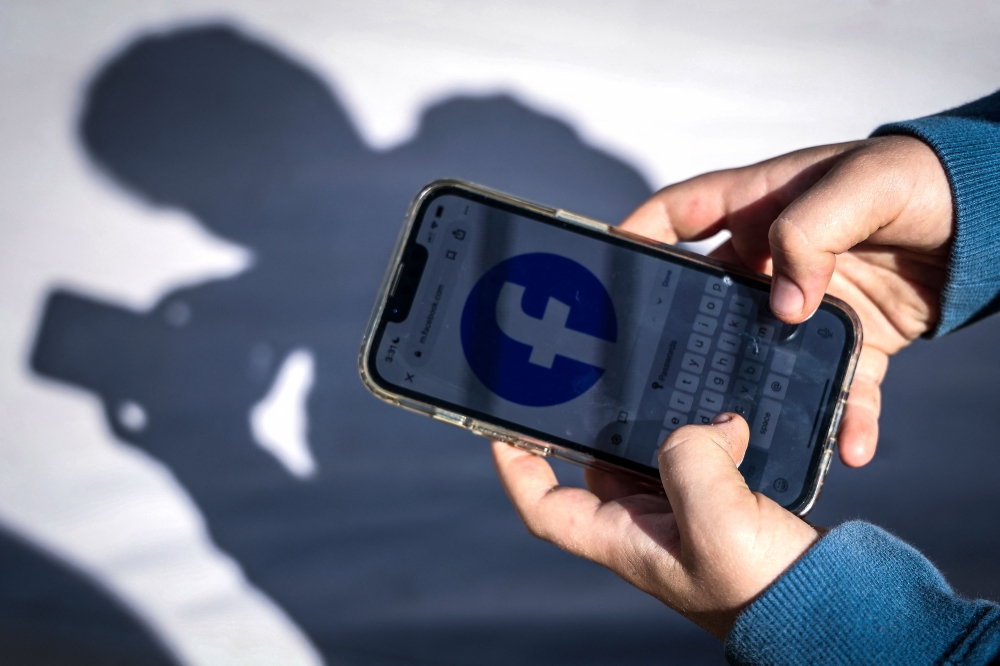
Facebook and TikTok Go Dark in Gabon Amid Government Suspension Over Social Tensions
In a sudden move that has left many citizens disconnected, Facebook and TikTok are no longer accessible in Gabon, according to confirmations from journalists on the ground. The shutdown comes just hours after the country’s media regulator announced a suspension of social media platforms, citing concerns about rising online tensions and the spread of harmful content.
The decision was made public by Gabon’s High Authority for Communication, which declared an “immediate suspension” of social media platforms across the country. Speaking in a televised address, spokesperson Jean-Claude Mendome explained that the measure was taken to prevent what officials described as “conflict-inducing excesses.”
Authorities pointed to a range of issues circulating online — including inappropriate, defamatory, hateful, and insulting content. According to the regulator, such material threatens human dignity, public morality, social cohesion, and even national security. The statement also highlighted concerns over the spread of false information, cyberbullying, and the unauthorized disclosure of personal data.
Officials warned that these online behaviors could fuel social unrest, destabilize national institutions, and weaken democratic progress. Although Facebook and TikTok were confirmed to be inaccessible, the regulator did not provide a full list of platforms included in the suspension.
At the same time, the communications authority emphasized that freedom of expression remains a fundamental right protected under Gabonese law. However, the government appears to be balancing that right against what it sees as the need to maintain public order and national unity.
The suspension comes during a sensitive period for the country. Less than a year into his presidency, Brice Oligui Nguema is facing growing social pressures. Teachers began striking in December over pay and working conditions, and similar frustrations have spread across other public sectors, including healthcare, higher education, and broadcasting. These labor disputes have contributed to rising public tensions — many of which have played out on social media platforms.
For everyday citizens, the shutdown means more than just losing access to popular apps. Small businesses that rely on social media for marketing, families who stay connected through digital platforms, and young people who use these tools for expression and opportunity are now navigating a sudden digital silence.
As Gabon moves forward, questions remain about how long the suspension will last and how it will impact civic dialogue. In an increasingly connected world, decisions to restrict online spaces often spark deeper conversations about accountability, stability, and the future of digital freedom.