


China Overturns Death Sentence for Canadian Drug Convict as Beijing–Ottawa Relations Thaw
China’s highest court has overturned the death sentence of Canadian citizen Robert Schellenberg, a decision that signals a notable shift in a case that has long weighed on relations between Beijing and Ottawa.
Schellenberg was arrested in China in 2014 on drug smuggling charges. Four years later, he was convicted and sentenced to 15 years in prison. That sentence took a dramatic turn in January 2019, when a retrial resulted in a death penalty. The timing raised global eyebrows, coming just weeks after Huawei executive Meng Wanzhou was detained in Vancouver at the request of the United States.
Last Friday, China’s Supreme People’s Court ruled against the death sentence handed down by a lower court. According to Beijing-based lawyer Zhang Dongshuo, the case will now return to the Liaoning Provincial High People’s Court for another retrial.
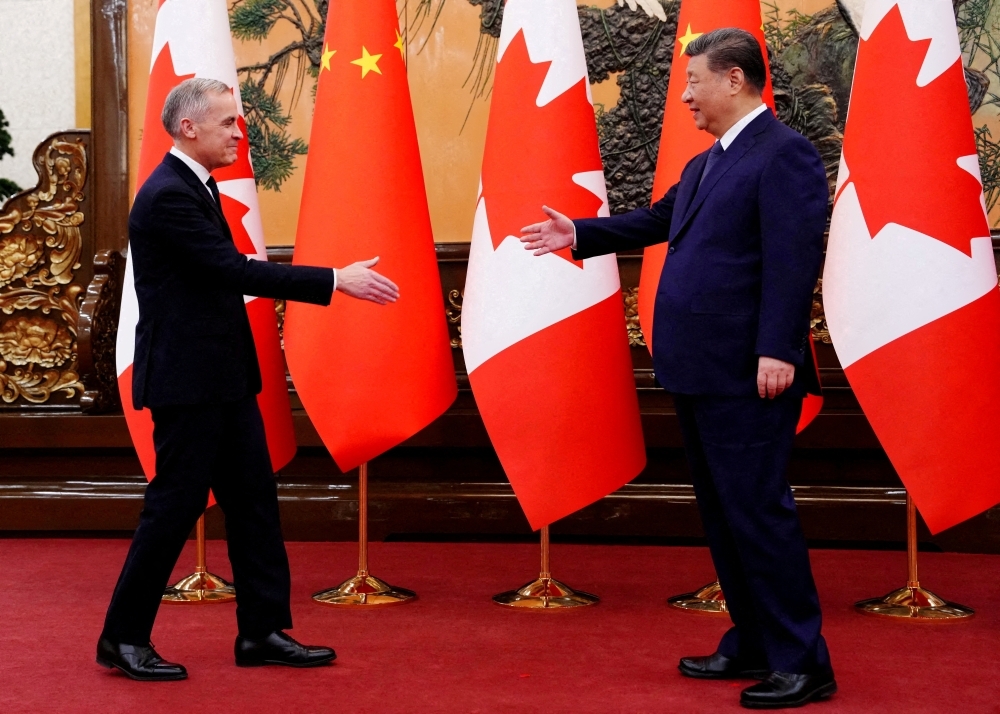
The development comes shortly after Canadian Prime Minister Mark Carney completed a four-day visit to China, where both sides publicly spoke about stabilizing and improving bilateral relations. Officials from Canada’s foreign ministry confirmed awareness of the ruling and said consular support for Schellenberg and his family would continue.
Legal experts suggest the timing of the court’s decision is unlikely to be a coincidence. Still, Zhang cautioned that a full acquittal remains improbable, given the seriousness of the charges. China has maintained a strict stance on drug-related crimes, and several foreign nationals, including Canadians, have faced severe penalties in recent years.
The Schellenberg case has long been entangled with broader diplomatic tensions. In 2018, following Meng Wanzhou’s arrest, China detained two Canadian citizens on espionage allegations, fueling accusations of “hostage diplomacy.” Those Canadians were released in 2021, the same day Meng returned to China after the United States dropped its extradition request.
Relations worsened again in 2024 when Canada imposed tariffs on Chinese electric vehicles, echoing similar measures by Washington. China responded with billions of dollars’ worth of tariffs on Canadian agricultural exports, including canola products. However, after Carney’s recent visit, both countries agreed to significantly reduce tariffs on EVs and canola, marking a sharp policy reversal.
Analysts believe this gradual rapprochement could reshape the political and economic backdrop of Canada–China relations, even as Ottawa continues to maintain close ties with Washington.