


Kerala’s Ayurveda Tourism Boom Raises Questions About Science, Safety and Sustainability
India’s southern state of Kerala is attracting growing numbers of international wellness travellers seeking traditional Ayurvedic treatments, natural therapies and a slower approach to health. While visitors praise the experience and practitioners highlight its holistic philosophy, questions remain about the scientific evidence supporting many of its treatments.
Ayurveda, an ancient Indian system of traditional medicine whose name translates to the “science of life”, combines herbal remedies, therapeutic massages, dietary practices, meditation and yoga. Its central philosophy focuses on maintaining balance within the body and mind.
For many visitors, the attraction goes beyond treating an existing health concern. Increasingly, people are exploring Ayurveda as part of a broader effort to manage stress, improve their well-being and adopt healthier lifestyles.
“People are increasingly aware of the importance of looking after their health, not only when illness strikes, but also as a preventive measure,” said Deepa Padinjappurath, an Ayurveda practitioner.
Padinjappurath works with Rajah Ayurveda, a wellness group operating four retreats in Kerala. The organisation opened its first centre approximately three decades ago, combining traditional Ayurvedic practices with selected modern diagnostic methods.
She explained that the approach involves understanding the individual as a whole, including their physical condition, mental state, personal experiences and lifestyle.
Kerala has established itself as one of India’s most recognised destinations for Ayurveda tourism. The growing industry contributes to the state’s economy while introducing international visitors to India’s traditional healing practices.
The Indian government has also given considerable attention to traditional medicine. Under Prime Minister Narendra Modi, Ayurveda has been promoted as an important part of the country’s traditional healthcare heritage, alongside yoga and homeopathy.
However, growing popularity does not automatically establish medical effectiveness. The World Health Organization (WHO) has emphasised the importance of strengthening scientific research into traditional medicine, improving patient safety and developing appropriate regulatory standards.
International Visitors Seek a Different Approach to Wellness
For many international travellers, an Ayurvedic retreat offers an opportunity to step away from demanding routines and focus on personal well-being.
Preeti Parekh, an Indian woman in her 50s living in Britain, described feeling considerably better after completing a 10-day stay at Nattika Beach Resort in Kerala.
Her programme included several traditional treatments, including a therapy in which warm oil is gently poured onto the forehead.
Before travelling to India, Parekh said she had been experiencing feelings associated with burnout and recognised the need to slow down.
Her experience reflects a wider interest in wellness holidays that combine relaxation, traditional therapies and lifestyle changes.
Silvana Invernizzi, a visitor from Switzerland, had returned to the same Kerala resort for the eighth time, participating in a two-week programme.
She believes the combination of massages and dietary changes has helped her maintain her health and avoid more serious problems.
Such personal experiences are an important part of the industry’s appeal, although individual testimonials should not be mistaken for scientific proof that a treatment can prevent or cure disease.
Understanding Ayurveda’s Individualised Treatment Philosophy
One of Ayurveda’s defining principles is its emphasis on individualised care.
Traditional Ayurvedic practitioners describe the body’s balance through three doshas: Vata, Pitta and Kapha. These are considered fundamental energies within the Ayurvedic framework and are used to guide treatment decisions.
Geetha Krishnan, head of research at the WHO Global Traditional Medicine Centre in Jamnagar, India, explained that Ayurveda considers more than a person’s symptoms or physical condition.
Its approach also takes into account factors such as the surrounding environment, changing seasons, daily routines and dietary habits.
At Nattika Beach Resort, medical doctor and Ayurveda practitioner K.P. Hema oversees patient care.
According to Hema, visitors arrive with different expectations, ranging from relaxation and rejuvenation to seeking support for conditions such as arthritis and psoriasis.
The resort’s general manager, Ashok Sukumaran, said women make up the majority of its clients, representing a wide range of age groups.
The experience can also involve a significant financial commitment. Retreats operated by Rajah Ayurveda typically cost between $1,000 and $3,000 per week.
Guests follow a structured daily programme designed around traditional wellness practices.
Mornings begin around sunrise with herbal preparations and meditation. The schedule continues with therapeutic treatments, simple meals and afternoon yoga sessions.
For visitors seeking a break from modern life’s constant demands, this organised routine can be an important part of the overall experience.
Kerala’s Natural Resources Remain Central to Ayurveda
Plants and herbs play a major role in Ayurvedic preparations. Many treatments use plant-based ingredients incorporated into oils, massage preparations and other traditional therapies.
Ayurveda is believed to draw upon approximately 800 to 900 herbs and plants, although the number varies across regions and traditional practices.
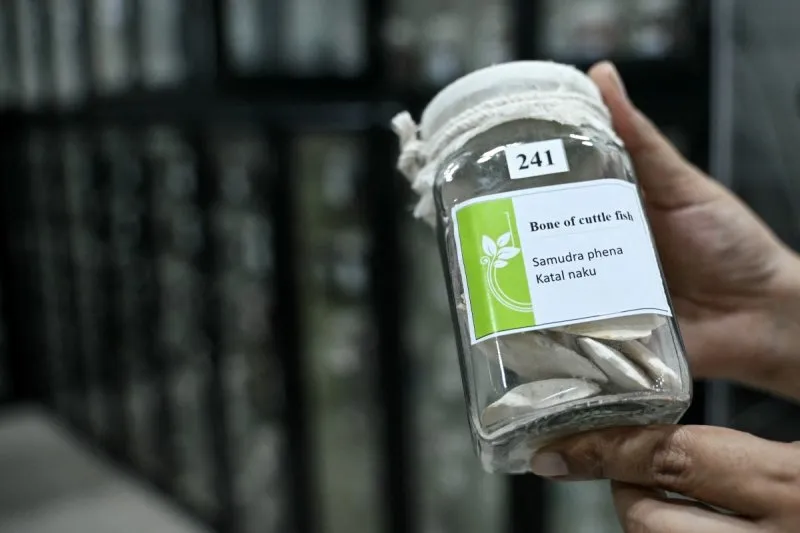
Abil Kumar Vaidya, head of the Vaidyaratnam Ayurveda Museum in Thrissur, Kerala, described the close relationship between food and traditional medicine.
He highlighted the philosophy that everyday food can play an important role in maintaining health and supporting the body’s well-being.
The Covid-19 pandemic also contributed to changing attitudes towards health, according to Sukumaran. Greater attention to personal wellness, prevention and lifestyle choices helped strengthen interest in traditional healing systems.
This interest extends well beyond India. The WHO reports that traditional medicine is used across many countries, with a significant proportion of their populations relying on these practices.
In communities where access to modern medical facilities remains limited, traditional remedies may serve as the first available healthcare option, and sometimes the only one.
However, the increasing demand for natural ingredients presents another challenge: protecting the very resources on which these traditions depend.
Growing Demand Raises Concerns About Medicinal Plant Conservation
Despite Ayurveda’s expanding international popularity, the availability of certain medicinal plants is becoming a serious concern.
Urbanisation, population growth, environmental degradation and climate change are placing pressure on natural ecosystems.
Sreelekshmi, a professor at Vaidhyaratnam Ayurveda College, warned that some medicinal plants have already disappeared from certain natural habitats, while others face the risk of extinction.
The concern highlights a difficult contradiction. As global interest in plant-based traditional treatments increases, the natural resources required to sustain these practices may become harder to find.
Padinjappurath also acknowledged the challenge, pointing out that some plants traditionally used in Ayurveda are no longer readily available in the wild.
The future of the industry will therefore depend not only on attracting more international visitors but also on responsible sourcing, conservation and sustainable cultivation.
The Future of Ayurveda Needs Both Tradition and Scientific Responsibility
Kerala’s growing wellness tourism industry demonstrates the continuing international appeal of traditional Indian healthcare practices. Visitors are travelling thousands of kilometres to experience its treatments, explore different approaches to relaxation and reconnect with healthier daily routines.
Yet, the growing demand also brings important responsibilities.
Traditional knowledge deserves careful documentation and research, while treatments promoted for medical purposes need reliable scientific evaluation. Patients should understand the difference between relaxation, personal wellness experiences and clinically established medical benefits.
Ayurveda’s future will also depend on protecting medicinal plants and ensuring that commercial demand does not damage the natural environment that supports its traditions.
Ultimately, the conversation surrounding Ayurveda should not be limited to whether ancient practices can attract modern travellers. It should also consider how traditional knowledge can be responsibly preserved, scientifically examined and made safer for future generations.
Kerala’s experience offers an important reminder: preserving a healing tradition means protecting its knowledge, respecting nature and putting people’s well-being ahead of commercial promises.