


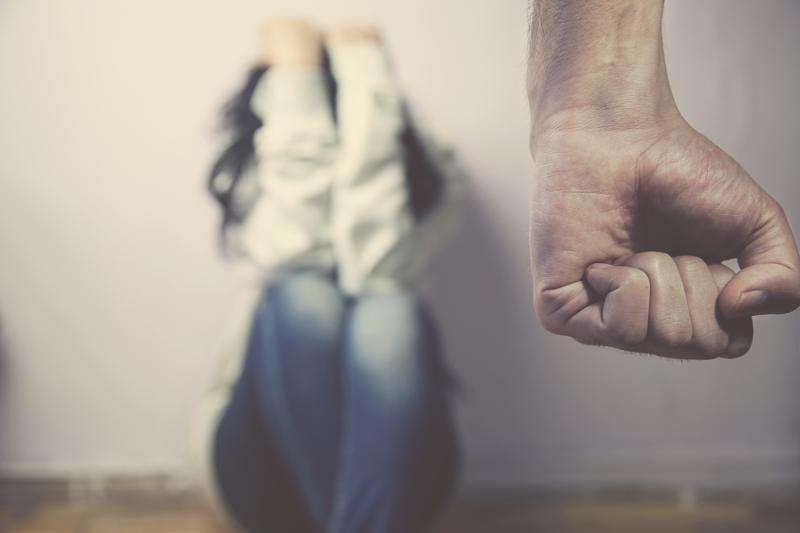
Five Women and Girls Are Killed Every Hour by Partners or Family Members, UN Report Reveals
Five Women and Girls Are Killed Every Hour by Partners or Family Members, UN Report Reveals
More than 47,000 women and girls were killed by their intimate partners or family members worldwide in 2025. That means approximately five women or girls lost their lives every hour, often at the hands of people who were supposed to love, protect and care for them.
A new report released by UN Women and the United Nations Office on Drugs and Crime (UNODC) has highlighted the continuing global crisis of gender-based violence, revealing that the number of women and girls killed by intimate partners or relatives remains alarmingly high.
According to the report, the estimated 47,000 victims represent approximately 129 women and girls killed every single day. Despite years of international campaigns, awareness initiatives and efforts to strengthen women’s protection, the figures have changed very little.
Of the approximately 78,000 women and girls who were victims of intentional homicide worldwide in 2025, around 60 per cent were killed by an intimate partner or family member. The findings are based on an analysis of statistics from 122 countries and territories.
The report was published ahead of the International Day for the Elimination of Violence against Women, drawing attention to a reality that millions of women continue to face: for some, the greatest danger does not come from strangers on the streets but from inside their own homes.
Africa Records the Highest Number of Femicide Cases
The report highlights that no region of the world is completely safe from this form of violence. However, Africa recorded the highest estimated number of women and girls killed by intimate partners or family members in 2025.
The regional figures were as follows:
– Africa: 22,100 victims
– Asia: 15,100 victims
– Americas: 7,400 victims
– Europe: 2,100 victims
– Oceania: 300 victims
These figures demonstrate that violence against women is not limited to a particular country, culture or community. It remains a global concern requiring stronger prevention measures, accountability and meaningful protection for those at risk.
Women Face a Different Pattern of Violence
The report also revealed a significant difference between how women and men experience homicide.
Although women accounted for 19 per cent of all homicide victims worldwide in 2025, approximately 60 per cent of female homicide victims were killed in private settings by intimate partners or family members.
For male homicide victims, the equivalent figure was just 11 per cent.
The United Nations emphasised that preventing domestic violence requires more than addressing violence between intimate partners. It must also include harmful relationships and abuse within wider family structures.
Femicide Remains a Persistent Global Problem
While homicide rates have generally declined around the world, femicide rates have fallen more slowly, particularly in the Americas and Europe.
According to the UN, this pattern suggests that these crimes are deeply connected to harmful social norms, gender stereotypes and persistent barriers that prevent women from accessing justice.
Femicide refers to the gender-related killing of women and girls. Although many cases involve intimate partners or family members, the term can also include certain killings associated with organised crime, forced labour and human trafficking.
The report further highlights a major gap in global data. Information about femicides committed outside homes and private relationships remains extremely limited, making it difficult to establish the full scale of the problem worldwide.
Protecting Women Must Become More Than a Promise
Behind every statistic is a human life, a family left grieving and a future that will never have the opportunity to unfold.
The deaths of 47,000 women and girls should never become another annual statistic that attracts attention for a few days before being forgotten. Every woman deserves to live without fear, whether she is at home, at work, in public or within her own relationships.
Ending violence against women requires more than statements of support. It demands early intervention, accessible reporting systems, stronger legal protection, effective justice, public education and communities willing to challenge abusive behaviour.
Families, governments, institutions, workplaces and society all have a responsibility to recognise warning signs, support survivors and hold perpetrators accountable.
A woman’s safety should never depend on who she lives with, whom she trusts or whether someone chooses to respect her rights.
The real measure of progress is not how many times the world promises to protect women. It is how many women can live safely, freely and confidently without fearing the people closest to them.