


Airasia plans fare cuts as fuel prices stabilise while targeting one billion passengers by 2027
AirAsia Group has indicated that airfares are likely to come down once global fuel prices stabilise, especially as geopolitical tensions in the Middle East begin to ease. The airline says this could bring some relief to travellers after months of fluctuating ticket prices.
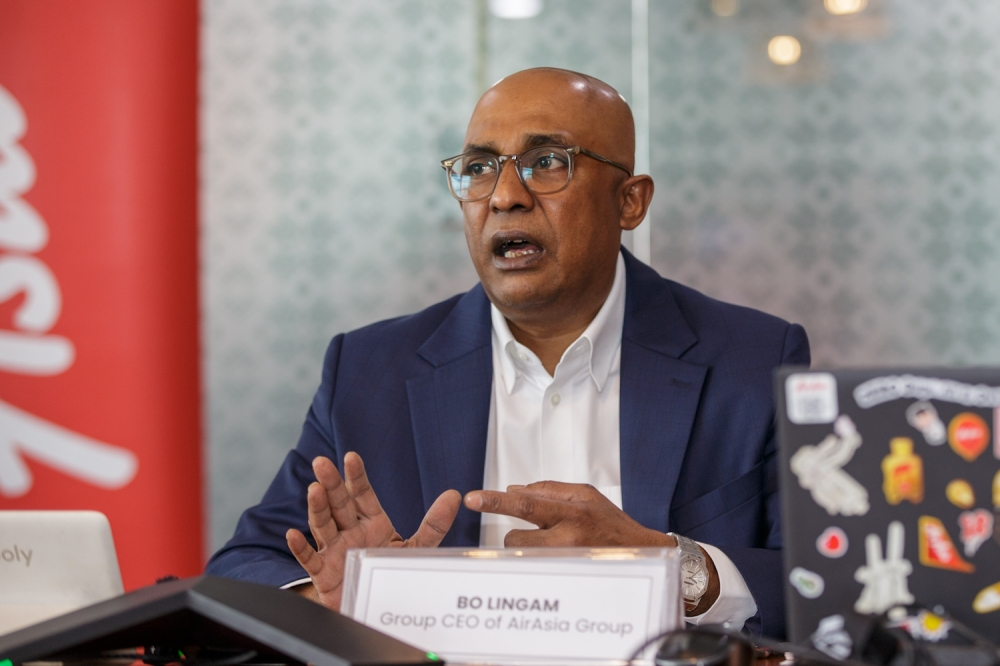
According to AirAsia Group Chief Executive Officer Bo Lingam, the airline had already reduced fares by five per cent on June 15, a move that quickly boosted booking demand over the weekend. He added that passenger interest is expected to remain strong throughout the summer travel season, particularly for connecting and transfer flights as regional operations normalize.
Despite the challenging environment, Bo revealed that the group recorded a loss of more than RM150 million in the first quarter of the year. The setback was largely attributed to sudden airfare increases that began on March 4 following the outbreak of conflict in the Middle East, which disrupted fuel pricing and operational stability.
Even so, the airline maintained a solid performance, achieving an average load factor of 83 per cent between January and May. This indicates that a strong number of seats were still filled despite rising fuel costs and financial pressure.
Over the past three months, AirAsia Group has also adjusted its flight network strategy, restructuring routes to better match demand while improving cost efficiency. The airline says these changes are helping it stay competitive in a volatile aviation market.
Looking ahead, Bo expressed confidence that new long-haul and regional routes, including services to Bahrain and London launching in August, will support the airline’s long-term growth. He reiterated AirAsia’s ambitious vision of connecting one billion passengers across Southeast Asia by the end of 2027.
On route optimisation, he noted that the Jakarta–Singapore service was discontinued due to unsustainable operating conditions. He pointed out that airport taxes at Changi Airport were so high that they exceeded the actual airfare, making the route financially unviable. However, he hinted at the possibility of reviving the Jakarta–Thailand route, depending on cost conditions and regulatory changes.
Bo also raised concerns about rising airport taxes in Thailand, suggesting that increasing operational costs could impact future route planning decisions.
In fleet developments, AirAsia is gradually retiring 12 older aircraft due to rising fuel consumption and maintenance expenses. At the same time, the airline is upgrading its fleet with more fuel-efficient Airbus A321LR aircraft. According to Bo, two of these aircraft are expected to arrive this year, with seven more scheduled for delivery next year.
As AirAsia navigates cost pressures and shifting travel demand, its focus remains on balancing affordability for passengers with long-term expansion goals. The airline’s message is clear: stability in fuel prices could mark a turning point for cheaper fares and stronger growth ahead.
Sometimes in aviation, the real journey isn’t just about reaching destinations—it’s about adapting mid-flight, staying resilient through turbulence, and continuing to move forward even when the skies aren’t clear.