


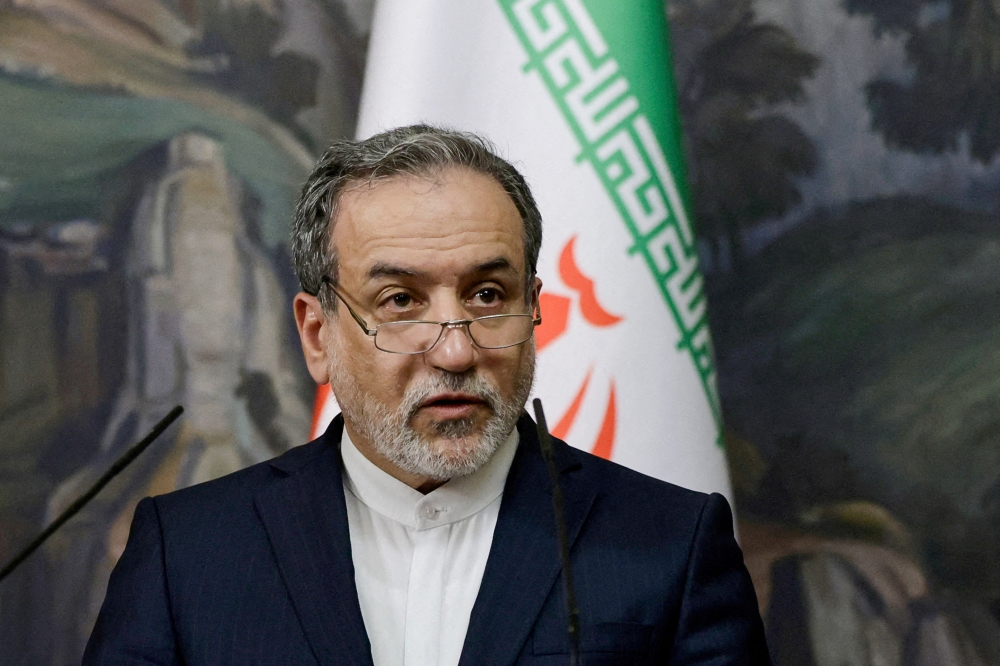
Iran rejects US deal pressure, insists rights must be guaranteed before agreement
Iran has firmly pushed back against mounting US pressure over a potential agreement, stating it will not accept any deal with Washington unless the rights of its people are fully guaranteed.
Mohammad Bagher Ghalibaf, Iran’s chief negotiator, said the United States could not be relied upon and emphasized that Tehran would only move forward if its national interests and sovereignty were clearly protected. His remarks came amid reports that US President Donald Trump had sent a revised and tougher framework proposal back to Iran for consideration, signaling that major differences still remain between the two sides.
Negotiations have been ongoing for months, focusing largely on Iran’s nuclear programme and broader regional stability. However, tensions escalated earlier this year when air and missile strikes by the US and Israel reportedly targeted key Iranian military infrastructure during active diplomatic discussions. Since then, both sides have remained deeply divided.
While Iran continues to maintain that its nuclear programme is strictly for civilian use, the United States and several Western allies remain concerned it could be used to develop nuclear weapons. This disagreement remains one of the central obstacles in reaching any lasting agreement.
Reports from international media, including The New York Times and Axios, suggest that Trump’s latest proposal introduces stricter conditions, although official details have not been fully disclosed. Trump has repeatedly stated that his priorities include preventing Iran from acquiring nuclear weapons and restoring safe passage through the Strait of Hormuz, a critical global shipping route.
Tehran, however, has questioned the credibility of US statements and insists that no agreement will be accepted unless it ensures fairness and protection of Iranian rights. Iranian officials, including Foreign Minister Abbas Araghchi, have also described much of the current discussion as premature speculation, saying no final conclusions have been reached.
At the same time, Iran has reportedly demanded access to frozen overseas assets as part of any meaningful progress in negotiations, while also rejecting claims about its uranium stockpile being destroyed.
On the ground, tensions have not fully eased. Although a temporary ceasefire agreement reduced large-scale strikes earlier in the year, sporadic incidents continue to occur, including drone-related accusations and cross-border military activity. Both sides continue to trade claims and counterclaims over recent security events.
The broader regional situation also remains fragile, with ongoing conflict linked to Lebanon and Israel adding further complexity. Fighting involving Hezbollah and Israeli forces continues despite previous truce attempts, while international bodies, including the UN Security Council, are preparing emergency discussions over escalating violence in the region.
In the middle of all this political tension, civilians across the region continue to bear the uncertainty of shifting diplomacy, military escalation, and fragile ceasefires that rarely hold for long. Behind the headlines, the situation reflects not just state-level confrontation, but also the very real anxiety of ordinary people waiting for stability that still feels distant.