


US Rules Out Strikes on Iran’s Energy Infrastructure Despite Soaring Oil Prices
The United States has confirmed it will not target Iran’s energy infrastructure, even as tensions escalate in the region. Speaking to CNN, Energy Secretary Chris Wright emphasized that any disruption to petroleum and natural gas operations in Iran would be brief. “Worst case, that’s a few weeks. That’s not months,” he said.
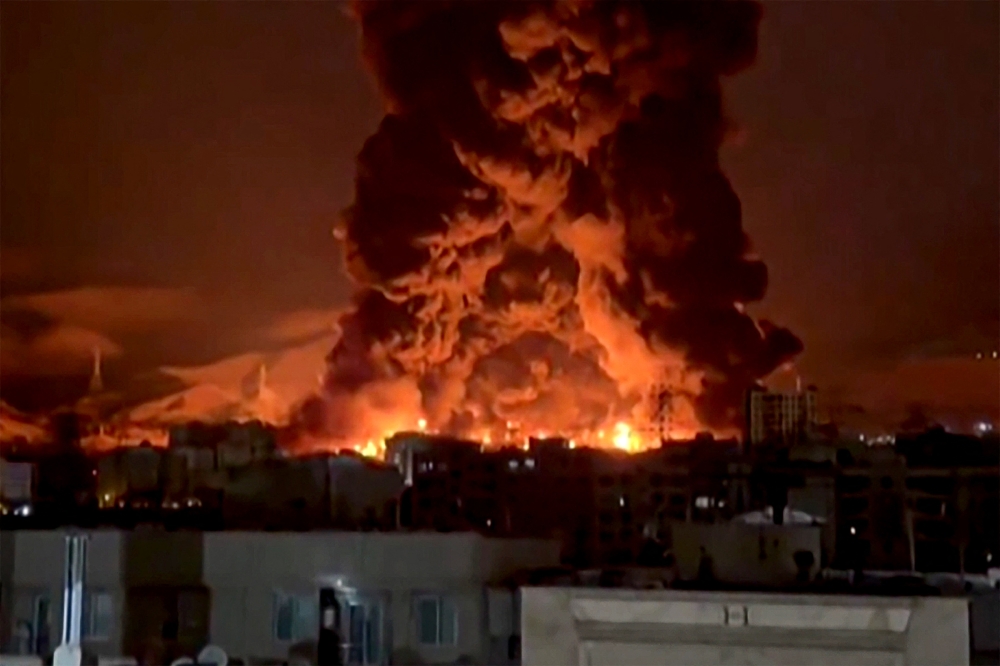
This comes after Israel carried out strikes on oil storage facilities in and around Tehran on Saturday, sparking massive fires. These were the first such attacks reported since the war began last weekend. Wright characterized them as localized efforts, aimed at small fuel depots rather than strategic energy assets. “These are Israeli strikes, these are local fuel depots to fill up the gas tank,” he explained. He stressed, “The US is targeting zero energy infrastructure. There are no plans to target Iran’s oil industry, their natural gas industry, or anything about their energy industry.”
The ongoing conflict has severely impacted the Strait of Hormuz, a key maritime route through which nearly 20 percent of the world’s crude oil and liquefied natural gas pass. This disruption sent oil prices skyrocketing: West Texas Intermediate, the US benchmark, jumped 12 percent on Friday and has surged 36 percent over the past week.
Despite the spike, Wright reassured Americans that global oil supply remains stable. “They shouldn’t go much higher than they are here because the world is very well supplied with oil,” he told CBS. “There’s no energy shortage in all of the Western hemisphere.”
However, US consumers are feeling the pinch at the pump. AAA reports that gasoline prices have risen 16 percent in a week, with diesel climbing 22 percent. GasBuddy notes that diesel costs have not been this high since February 2023, affecting trucking and logistics nationwide.
Wright sought to calm public concerns, pointing out that fears of a prolonged conflict are overblown. “What you’re seeing is emotional reactions and fear that this is a long-term war. This is not a long-term war,” he said.
To protect commercial shipping through the Gulf, the US is coordinating with maritime companies. Wright indicated that some tankers will receive direct military escort through the Strait of Hormuz, but normal traffic is expected to resume “relatively soon.”
Iran currently produces about four percent of the world’s oil, some of which is exported despite international sanctions, primarily to China. Meanwhile, US Treasury Secretary Scott Bessent hinted at possible sanction relaxations on Russian oil, after temporarily allowing India to import from Moscow amid soaring global prices. The US International Development Finance Corporation is also creating a $20 billion reinsurance mechanism to mitigate risks associated with travel through the Strait of Hormuz.
As global energy markets react to conflict, everyday Americans are reminded that geopolitical tensions can hit home at the gas pump. For now, the US assures its citizens that energy supply is secure and that diplomatic and protective measures are in place to prevent a prolonged crisis.