


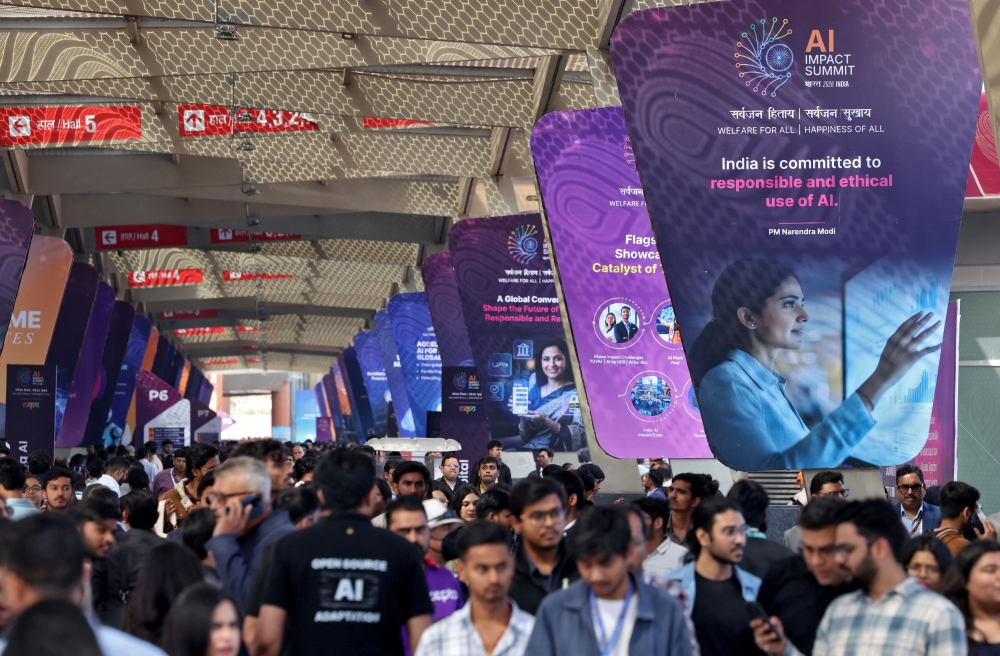
PM Modi and Global Tech Leaders Including Sam Altman & Bill Gates Unite in New Delhi to Shape the Future of AI
New Delhi — In a landmark gathering this week, India’s Prime Minister Narendra Modi joined some of the world’s most influential technology leaders — including OpenAI CEO Sam Altman, Google’s Sundar Pichai, DeepMind head Demis Hassabis, and Microsoft co-founder Bill Gates — to discuss the opportunities and risks presented by rapidly advancing artificial intelligence.
The AI Impact Summit, now in its fourth year, has grown into the largest global conversation on AI. Tens of thousands of attendees from around the world have flocked to New Delhi, including top policymakers, innovators, and industry experts, to explore how AI could change societies and economies.
The surge in generative AI — systems that can write, create, and respond much like humans — has sparked excitement and unease alike. While businesses are seeing huge gains, many worry about what AI means for jobs, especially in places like India where millions work in call centers, tech support, and creative sectors.
Stuart Russell, a respected computer science researcher, highlighted a shared concern: “We are creating human imitators… the natural application for that type of system is replacing humans.”
This year’s summit has even more on its agenda than before — including a vast tech expo and talks between world leaders. French President Emmanuel Macron joined PM Modi on stage to discuss shared goals and strengthen ties between France and India. Behind the scenes, officials expressed confidence that a major deal — worth billions of dollars for 114 state‑of‑the‑art Rafale fighter jets — could soon be finalized.
For India, hosting the summit is about more than dialogue — it’s part of a larger push to be a key player in the global AI landscape. The government is eyeing over US$200 billion in tech investment in the years ahead, and major players like Google and Nvidia have announced new deals to support infrastructure and AI development in the country.
Google CEO Sundar Pichai shared how India has transformed since his childhood and emphasized the company’s commitment to invest in AI infrastructure, including subsea cables and cloud computing solutions that will support future growth.
Nvidia — one of the world’s most valuable tech companies — is partnering with Indian cloud service providers to deliver advanced processors for data centers that train and run cutting‑edge AI systems. But as AI development soars, so does concern about the environmental impact: these powerful data centers require massive electricity and water resources, at a time when nations are trying to fight climate change.
India’s rise in AI competitiveness has been remarkable — the country now ranks third worldwide in a key Stanford research index — but experts note it still trails behind the United States and China in many areas.
Yet the summit has not been without challenges. Long traffic delays and crowded entry points at the event raised frustration among visitors early in the week. And while leaders are expected to issue a joint statement on AI regulation by week’s end, some critics fear that broad declarations may fall short of concrete actions.
Across the event floor, young innovators like 23‑year‑old Siddharth Soni, founder of an AI‑designed jewelry startup, embody both hope and concern. “We’re losing artisans,” he said, reflecting a fear shared by many — that AI could unintentionally erode cultural traditions even as it builds new ones.
As the AI Impact Summit draws to a close, the world watches — hopeful for progress, cautious of risks, and united by a common question: How do we build an AI future that benefits everyone?