


Obama Sounds Alarm as Trump Moves to Repeal Landmark Climate Finding, Warning Americans Could Be “Less Safe, Less Healthy”
Former United States President Barack Obama has issued a sharp warning following Donald Trump’s move to repeal a pivotal scientific determination that has long underpinned federal climate regulations.
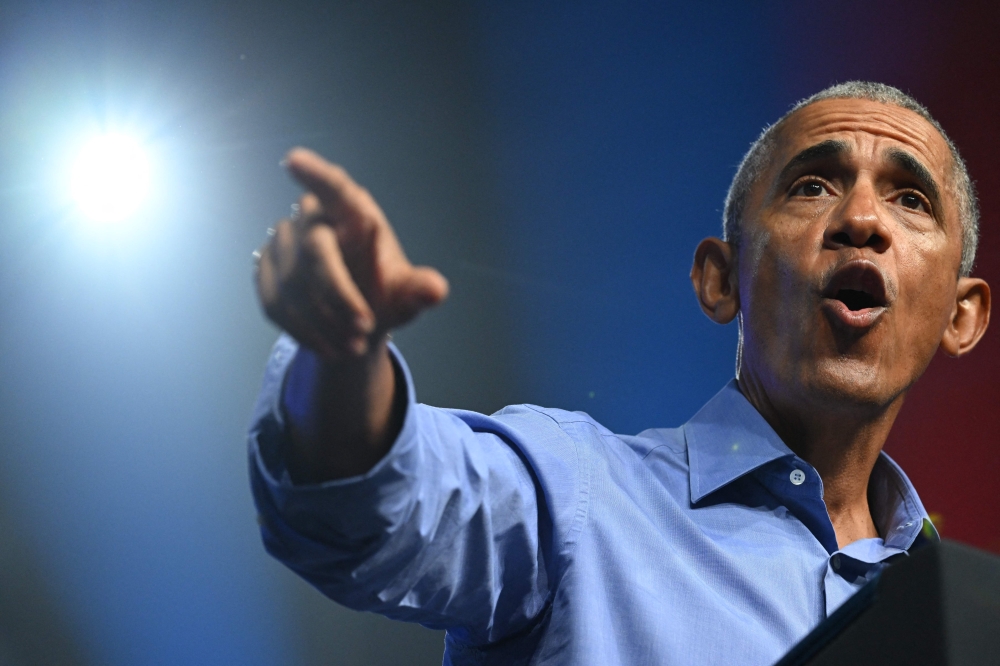
Speaking out on Thursday, Obama cautioned that dismantling the landmark “endangerment finding” would leave Americans “less safe, less healthy,” and significantly weaken the country’s ability to confront climate change.
The endangerment finding, introduced during the Obama administration, formally concluded that greenhouse gases pose a threat to public health and welfare by driving climate change. This scientific determination became the legal foundation for a wide range of federal climate policies aimed at reducing carbon emissions from industries, vehicles, and power plants.
Without it, environmental protections could face serious setbacks.
Obama took to X to express his concern, stating that removing the finding would undermine safeguards designed to protect communities from rising temperatures, extreme weather, and worsening air quality. He argued that repealing the measure would not only weaken climate action but also prioritize fossil fuel industry profits over public wellbeing.
“Without it, we’ll be less safe, less healthy and less able to fight climate change—all so the fossil fuel industry can make even more money,” Obama wrote.
The endangerment finding has served as a cornerstone of US environmental regulation for more than a decade. By recognizing greenhouse gases as harmful pollutants under existing law, it empowered federal agencies to implement emission standards and pursue strategies aimed at curbing climate change impacts.
Critics of repeal efforts warn that removing this scientific basis could complicate or dismantle regulatory frameworks that address air pollution, rising sea levels, wildfires, and other climate-related risks.
Supporters of Trump’s move argue it could reduce regulatory burdens on energy producers and stimulate economic growth. However, environmental advocates contend that weakening climate safeguards may come at a long-term cost to public health, environmental stability, and global climate leadership.
As climate-related disasters continue to intensify across the globe—from heatwaves and droughts to hurricanes and flooding—the debate underscores the broader national divide over environmental policy and economic priorities.
Beyond policy arguments and political positioning, the issue touches the daily lives of millions of Americans. Cleaner air standards affect children with asthma. Emission controls shape the quality of drinking water and food systems. Climate resilience planning determines how communities withstand storms and wildfires.
For families already grappling with extreme weather, rising utility bills, or health challenges linked to pollution, the discussion is not abstract. It is personal.
In the end, the question extends beyond politics. It centers on what kind of future Americans want to build—one that safeguards health and stability for the next generation, or one that rolls back protections in the name of short-term economic gains.
As leaders debate the path forward, citizens across the country are left weighing the consequences—not just for today, but for decades to come.